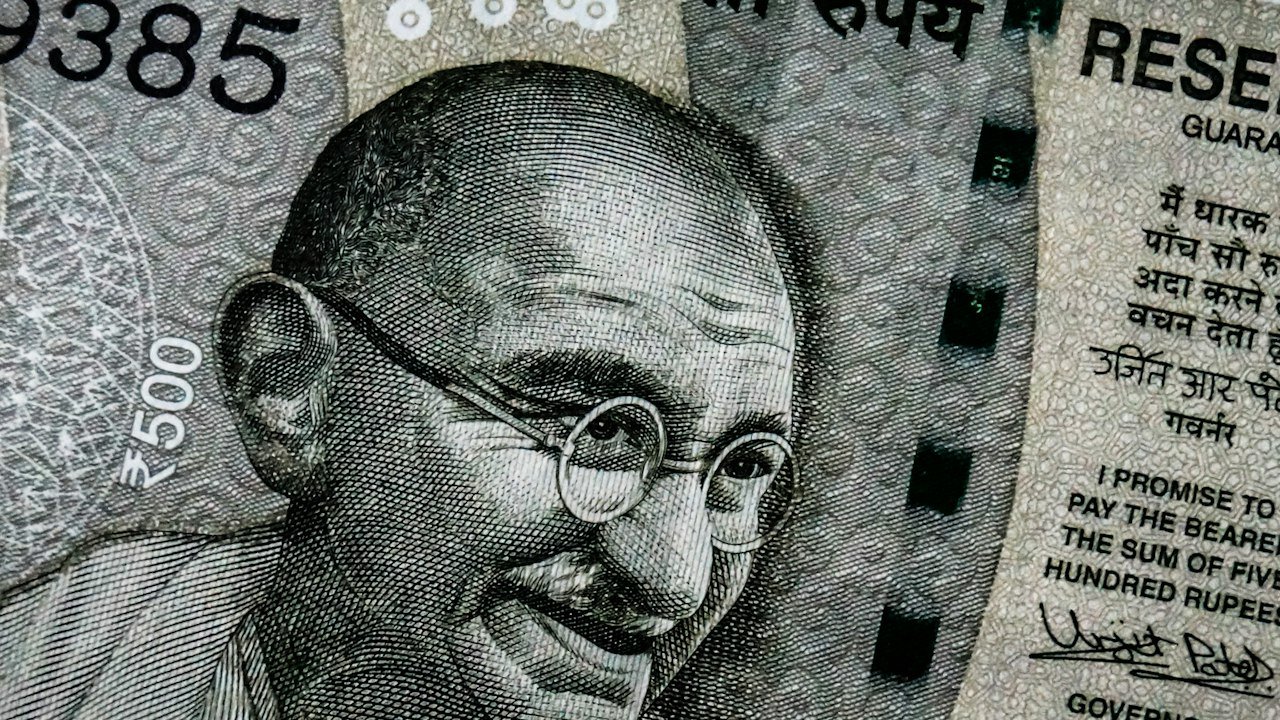
The digital rupee, written e₹, is India’s central bank digital currency, issued by the Reserve Bank of India (RBI). It is often confused with e-RUPI, a separate prepaid voucher system launched in 2021. The two have similar names, different owners and different purposes, and mixing them up is the most common mistake in online guides.
This article explains both in plain language, then looks at where the digital rupee stands in 2026. The honest picture is mixed: the RBI keeps expanding the pilot, but the amount of retail e₹ in circulation fell over the last financial year. It also compares India’s approach with plans in the US, Canada, the UK, the euro area and Australia.
It is general information, not financial or legal advice. Details of a pilot can change, so check the RBI’s own pages for current rules.
Table of Contents
- What the Digital Rupee Is
- What e-RUPI Is and How It Differs
- Where e₹ Stands in 2026
- How to Use the Digital Rupee
- Digital Rupee vs UPI vs Cryptocurrency
- Benefits, Concerns and Why Adoption Is Slow
- How India’s CBDC Compares With Plans Elsewhere
- Further Reading and Sources
- Frequently Asked Questions
- Final Thoughts
What the Digital Rupee Is
The digital rupee is the Indian rupee in digital form. The RBI describes e₹ as the digital version of a banknote: it is legal tender and a liability of the central bank, held in a wallet instead of a pocket. One e₹ is always worth exactly one rupee.
It comes in two versions. e₹-W is the wholesale version, meant for settlement between banks and financial institutions. e₹-R is the retail version for people and businesses, held in wallets offered by participating banks and some non-bank apps.
Why does a central bank want digital cash at all? Cash use is falling in many countries, private payment apps and stablecoins are growing, and central banks want to keep a safe, public form of money available in digital form. India also wants to test programmable payments for welfare and cheaper cross-border transfers, which are goals UPI alone does not cover.
The wholesale pilot began in November 2022 and the retail pilot in December 2022. The RBI says both are still pilots, which means a limited, controlled rollout to test the technology, its scalability and how people actually use it. It is not yet a full national launch.
What e-RUPI Is and How It Differs
e-RUPI is not a currency. It is a prepaid, purpose-specific voucher that the National Payments Corporation of India (NPCI) launched on 2 August 2021 with the government and partner banks. A beneficiary receives it as an SMS or QR code on their phone and can use it only for the purpose it was issued for, at approved providers.
At launch, the headline example was Covid vaccination, with 1,641 hospitals enabled and 11 banks taking part, according to launch coverage. Those figures are from 2021, and no official 2026 update on its scale was available, so treat any current usage claims with caution.
A simple way to remember the difference: e-RUPI is a voucher for a defined purpose, built on the UPI platform. e₹ is general-purpose central bank money, like cash. Some blogs describe e-RUPI as legal tender, and that is wrong. Only the e₹ is the central bank’s liability.
Where e₹ Stands in 2026
The RBI’s own FAQ, updated on 1 October 2026, still describes e₹ as a pilot in both retail and wholesale segments. Retail use has been live since December 2022 only for users and merchants at selected pilot banks and non-banks.
The numbers are modest. The RBI’s Annual Report for 2025-26 puts retail e₹ in circulation at ₹771.7 crore on 31 March 2026, down about 24% from ₹1,016.5 crore a year earlier. Wholesale e₹ in circulation was nil at both dates. No official count of retail users has been published.
The pilot work has widened, however. The annual report, as reported by Business Standard, mentions programmability, links to government schemes, specialised banking products and cross-border use. Secondary reports describe welfare pilots using programmable e₹ for food subsidies in Gujarat, Puducherry and Chandigarh. On cross-border use, the RBI is reported to be in talks with Singapore and the UAE.
How to Use the Digital Rupee
Access depends on whether your bank or payment app is part of the pilot. The usual steps are:
- Check the RBI’s e₹ FAQ or your bank’s app to see whether a retail e₹ wallet is available to you.
- Download the wallet and register with your mobile number, linking your bank account.
- Load e₹ into the wallet by debiting your account.
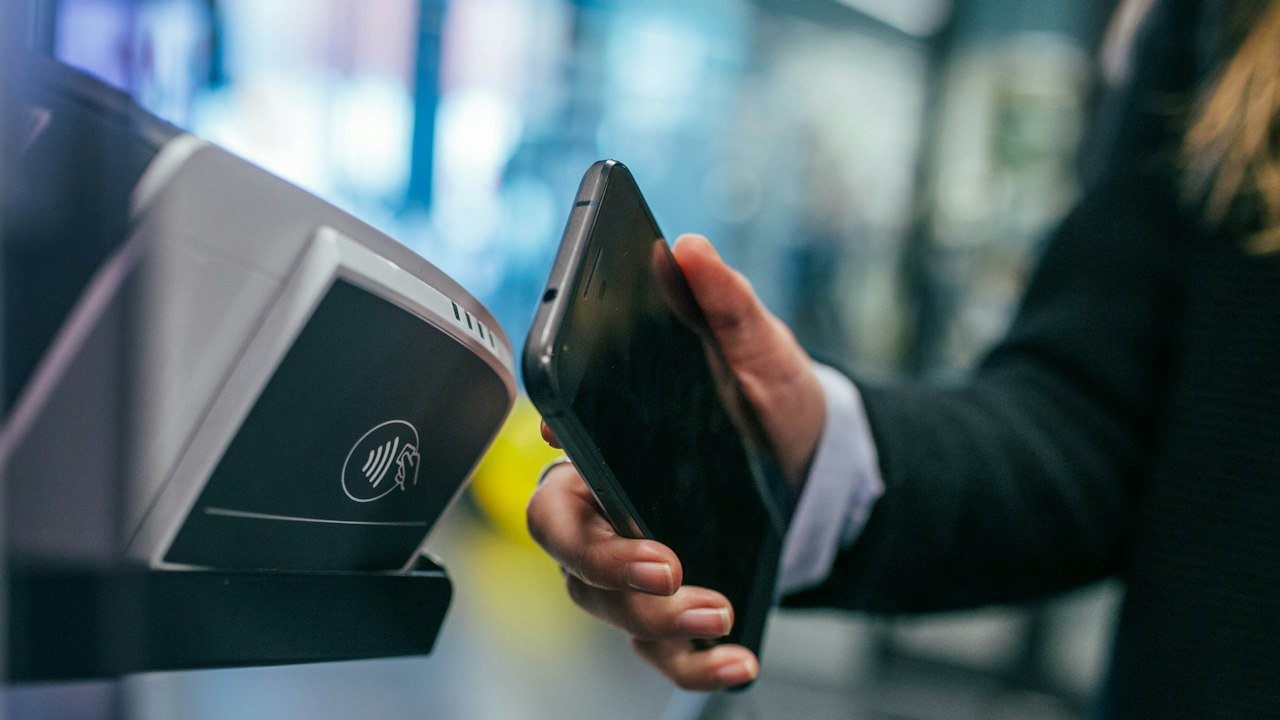
- Pay a merchant by scanning a QR code or send e₹ to another wallet user.
Before paying, check three things: that the wallet belongs to a participating bank, that the merchant shows an official QR code, and that you understand the limits on balances and transfers in the current pilot. Keep your phone’s security up to date, and never share an OTP or a wallet PIN with anyone.
Features and limits differ between providers and change during the pilot. Only use apps from your own bank or the RBI’s list of participants, and be cautious of messages that ask you to install a “digital rupee” app from a link. Scammers use new payment names to trick people. e₹ does not earn interest, just like cash.
Digital Rupee vs UPI vs Cryptocurrency
UPI is a fast system for moving money between bank accounts, so the money moved is bank deposit money. The digital rupee is different because it is central bank money held directly in your wallet, like digital cash.
Cryptocurrencies such as Bitcoin are not issued by any government and are not legal tender in India. Their prices can swing sharply. The e₹ always equals one rupee. Our guide to cryptocurrency vs the stock market covers crypto risk, and our post on stablecoin growth explains private digital dollars, another product often confused with central bank digital money.
In short: UPI is the payment rail most Indians use today, e₹ is a new kind of money, and cryptocurrency is a private asset. They do different jobs.
Benefits, Concerns and Why Adoption Is Slow
Supporters point to lower cash-handling costs, instant settlement, a clear digital record and targeted payments, such as welfare that can only be spent on its intended purpose.
Concerns include privacy, since a central bank currency can raise questions about who sees transaction data, and the cost to users and banks of adopting yet another payment tool. The biggest obstacle is simple: UPI already works well, is fast and is free, so many people see little reason to switch to e₹. The fall in retail circulation during 2025-26 suggests that the pilot has not yet changed habits.
Digital literacy and phone access in rural areas also matter. Any system meant for welfare delivery has to work for people with basic phones, which is one reason e-RUPI was designed around SMS.
How India's CBDC Compares With Plans Elsewhere
India is not alone, but countries are choosing very different paths. In the euro area, Parliament confirmed its negotiating mandate on 9 July 2026, and talks with the Council are under way. The ECB says it will decide whether to issue a digital euro only after the law is adopted, and aims to be ready for a first issuance around 2029.
In the UK, the Bank of England says no decision has been made on a digital pound. The design phase runs through 2026, and any launch would need legislation first. In Canada, the Bank of Canada has scaled down its retail work, and in Australia the central bank and Treasury said in September 2026 that a clear case for a retail digital dollar had not emerged, shifting attention to wholesale uses.
In the US, the House passed the Anti-CBDC Surveillance State Act in July 2025, and reports say a separate housing bill carries a ban on a Fed CBDC through 2030. Reports differed on whether that bill had become law, so check the official bill status before relying on it. The takeaway for readers outside India is that e₹ is one of the larger live retail pilots, while several Western central banks are cautious.
Further Reading and Sources
For related reading, see our guides to cryptocurrency vs the stock market, crypto or stocks for beginners, stablecoin growth and the XRP CLARITY Act.
For primary sources, see the RBI’s e₹ FAQ, the government’s e-RUPI release, Business Standard on cross-border CBDC pilots, the ECB’s digital euro FAQ, the Bank of England’s digital pound page and the US Anti-CBDC bill.
Frequently Asked Questions
What is the digital rupee?
The digital rupee (e₹) is India’s central bank digital currency, issued by the RBI. It is legal tender in digital form and is still in a pilot phase.
Is the digital rupee the same as e-RUPI?
No. e-RUPI is a prepaid purpose-specific voucher from NPCI launched in 2021. e₹ is general-purpose central bank money from the RBI.
Is e₹ a cryptocurrency?
No. It is issued and guaranteed by the RBI and always equals one rupee. Cryptocurrencies are private assets that are not legal tender in India.
Does e₹ earn interest?
No. Like cash, money held as e₹ does not earn interest.
How many people use e₹?
The RBI has not published a user count. Retail e₹ in circulation was ₹771.7 crore on 31 March 2026, down about 24% from a year earlier.
Can anyone use e₹?
Only users and merchants at participating pilot banks and apps. Check the RBI’s FAQ or your bank for current availability.
Final Thoughts
e₹ is a serious experiment in central bank money, but it is still a pilot, and 2025-26 data shows low and falling retail balances. e-RUPI is a different tool for targeted payments, and it is not a currency.
If you want to try the digital rupee, use only your bank’s or the RBI’s listed apps, and keep checking official sources, because pilot rules and features keep changing.