RWA Tokenization: 400% Growth Story Wall Street Is Betting On
RWA tokenization has quietly become one of crypto’s most consequential growth stories in 2026. The market grew more than 400% since early 2025 — from roughly $5 billion to over $31 billion — and unlike most crypto trends, the institutions driving it aren’t crypto-native startups. They’re BlackRock, JPMorgan, and Franklin Templeton. Here’s what RWA tokenization actually is, why it’s exploding, and the real risks the enthusiastic coverage often skips.
Table of Contents
- What Is Real-World Asset Tokenization?
- How Big Has RWA Tokenization Actually Gotten?
- Why Traditional Finance’s Biggest Names Are Leading This
- The Five Asset Classes Driving Growth
- How Tokenization Actually Works, Step by Step
- A Concrete Example: Tokenized Treasuries in Practice
- Why This Matters for Regular Investors
- Real Risks the Hype Often Skips
- How RWA Tokenization Compares to Other Crypto Trends
- Where the Market Is Headed Next
- Frequently Asked Questions
- Final Thoughts
What Is Real-World Asset Tokenization?
RWA tokenization is the process of converting traditional financial instruments — Treasuries, private credit, real estate, commodities, equities — into blockchain-based digital tokens. This enables fractional ownership, faster settlement, global accessibility, and transparent record-keeping for assets that were historically illiquid or difficult for everyday investors to access directly. Unlike speculative crypto tokens, RWAs generate returns backed by real-world cash flows — a Treasury-backed token, for example, earns yield the same way the underlying Treasury bond does.
How Big Has RWA Tokenization Actually Gotten?
The growth numbers here are genuinely remarkable. Independent aggregator rwa.xyz tracks these figures in real time:
- The on-chain RWA market reached approximately $31-33.5 billion as of mid-2026, up from roughly $5 billion at the start of 2025 — over 400% growth in about a year and a half.
- The sector grew roughly 30% in Q1 2026 alone, and independent tracker rwa.xyz reported 66% growth in 2026 specifically.
- Tokenized US Treasuries remain the single largest category, valued between $12.9 billion and $16.2 billion.
- The market is spread across 167 platforms and held by nearly 961,000 individual holders.
- Ethereum leads by a wide margin, holding roughly 65% of tokenized value, with BNB Chain a distant second.
Why Traditional Finance's Biggest Names Are Leading This
What separates the 2026 RWA boom from most crypto narratives is who’s actually driving it. BlackRock’s USD Institutional Digital Liquidity Fund (BUIDL) — a tokenized Treasury-backed money market fund — is the single largest RWA product, worth roughly $2.5 billion on its own. JPMorgan and Franklin Templeton have launched similar institutional tokenization products. This isn’t retail speculation chasing the next hot token; it’s some of the largest financial institutions on earth building genuine infrastructure, which is a meaningfully different — and arguably more durable — growth driver than typical crypto hype cycles.

The Five Asset Classes Driving Growth
RWA tokenization growth is spread across five distinct categories: tokenized Treasuries and government securities, private credit and on-chain lending, commodities, real estate, and equities. Tokenized Treasuries and private credit currently make up the largest share, reflecting institutional preference for starting with the most liquid, well-understood asset types before expanding into more complex categories like real estate and equities.
How Tokenization Actually Works, Step by Step
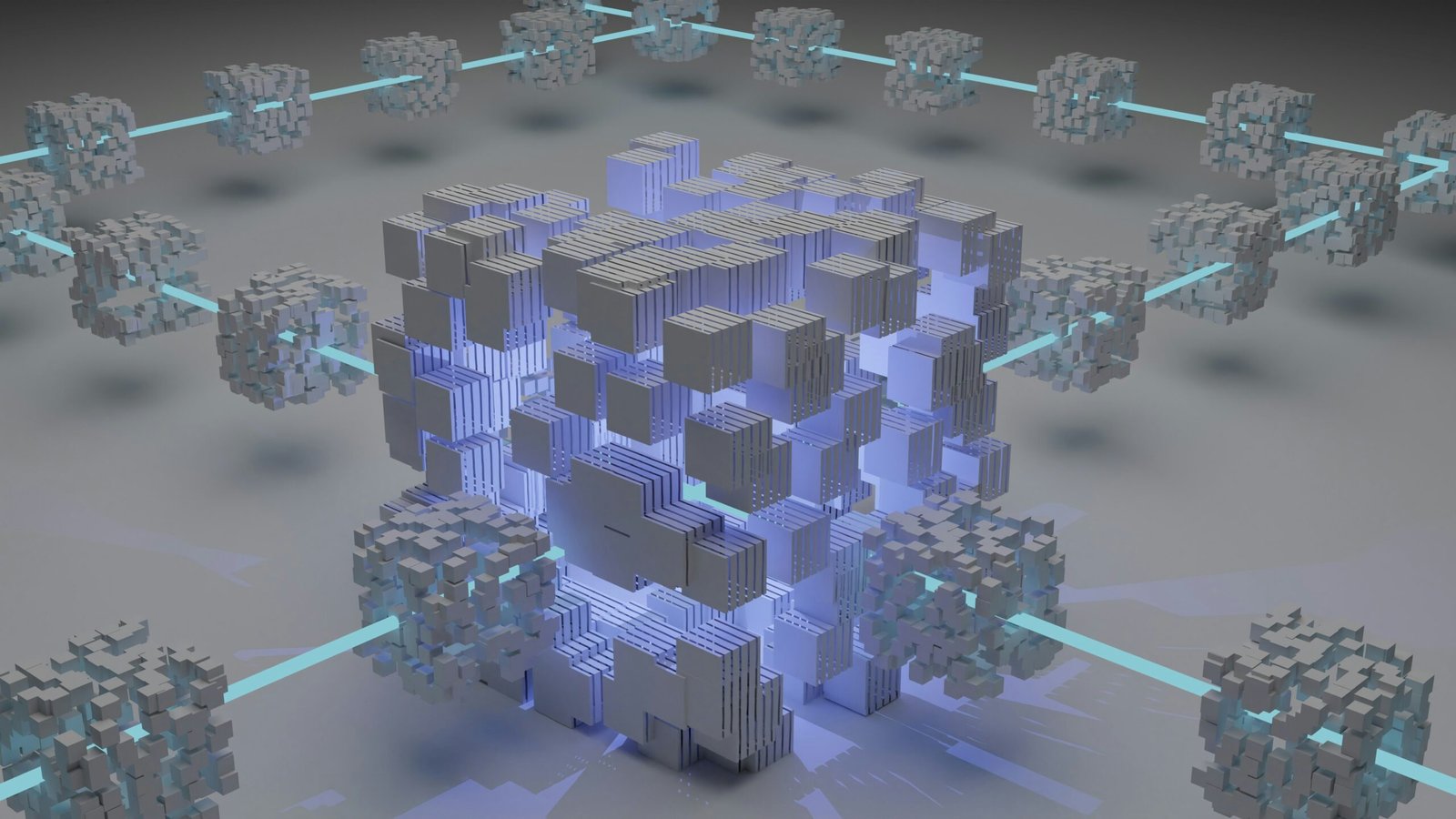
Understanding the mechanics helps clarify why institutions trust this process. First, an issuer (like BlackRock or a specialized tokenization platform) legally structures the underlying real-world asset — say, a portfolio of short-term US Treasuries — and places it with a regulated custodian. Second, a smart contract is created on a blockchain (most commonly Ethereum) that represents fractional ownership of that underlying asset pool. Third, investors purchase these tokens, with the smart contract programmatically tracking ownership and often distributing yield automatically as the underlying asset generates returns. Finally, tokens can be transferred, traded, or redeemed according to rules built into the smart contract, offering settlement speeds that traditional finance’s multi-day clearing processes generally can’t match.
A Concrete Example: Tokenized Treasuries in Practice
Tokenized Treasury products like BlackRock’s BUIDL work by holding a basket of actual short-term US government securities in custody, then issuing blockchain tokens that represent proportional ownership. Token holders earn yield reflecting the underlying Treasury returns, paid out through the smart contract, while retaining the ability to transfer or redeem their tokens far faster than traditional Treasury settlement typically allows. This combination — real government-backed yield with blockchain-based speed and accessibility — is a big part of why institutional appetite for this specific category has grown so quickly.
Why This Matters for Regular Investors
For everyday investors, RWA tokenization offers a genuinely practical benefit: fractional access to asset classes that traditionally required significant capital or specialized accounts. Instead of needing tens of thousands of dollars to access institutional-grade credit markets or Treasury products, tokenization allows smaller investors to own a fraction of these same assets, with faster settlement and more transparent pricing than many traditional channels offer. Regulatory frameworks like the GENIUS Act have also reinforced this shift by positioning yield-bearing tokenized assets, rather than stablecoins themselves, as the layer where investors should expect to generate returns.
Real Risks the Hype Often Skips
- Liquidity isn’t automatic: A study on tokenized assets found that most RWA tokens exhibit low trading volumes and long holding periods — being tokenized doesn’t automatically mean an asset trades as easily as a major cryptocurrency.
- Regulatory fragmentation: 58% of asset owners surveyed cite regulatory constraints as a real hurdle to crypto asset investment. While the US, Singapore, UAE, and Hong Kong have made progress, global regulatory consistency hasn’t emerged yet, creating cost and uncertainty for cross-border investors.
- Price correlation gaps: Research from Chainalysis found that trade volume correlation between tokenized gold and physical gold (GLD) is trending upward but still lags behind traditional proxies like gold mining stocks — meaning on-chain trading patterns don’t yet track traditional markets as closely as some assume.
- Platform and smart contract risk: As with any blockchain-based asset, tokenized RWAs carry technology risk distinct from the underlying asset itself — smart contract bugs or platform failures could affect access to your holdings.
- Custody and counterparty risk: Tokenization doesn’t eliminate the need to trust the entity actually holding the underlying real-world asset — you’re still relying on that issuer’s legitimacy and solvency.
How RWA Tokenization Compares to Other Crypto Trends
It’s worth putting RWA tokenization’s growth in context against other major crypto narratives happening simultaneously. Where AI-linked crypto tokens and infrastructure spending are driven largely by technological capability and speculative interest, RWA tokenization is distinguished by its direct connection to existing, regulated financial products — Treasuries, credit, real estate — that already have established valuations and cash flows independent of crypto market sentiment. This is part of why analysts increasingly describe RWA tokenization as “less speculative and more structural” compared to other 2026 crypto themes: its growth isn’t contingent on a specific token’s price appreciating, but on genuine operational adoption by institutions that already manage trillions of dollars in traditional assets.
Where the Market Is Headed Next
Industry momentum suggests tokenization is shifting from pilot programs into production-scale deployment. The DTCC’s pilot program is expected to expand institutional settlement infrastructure in the second half of 2026, and Ethereum wallet data shows an explosive acceleration in addresses created specifically to hold tokenized assets — a sign that RWAs are increasingly the reason new institutional participants come on-chain in the first place, rather than a secondary use case for existing crypto users. This connects to broader institutional crypto adoption trends we’ve also seen play out in AI-linked infrastructure spending, covered in our piece on AI agents managing investment portfolios, where large institutions are similarly driving technology adoption ahead of retail.
Frequently Asked Questions
What is the biggest tokenized real-world asset?
BlackRock’s USD Institutional Digital Liquidity Fund (BUIDL), a tokenized Treasury-backed money market fund, is currently the largest single RWA product at roughly $2.5 billion.
How fast is RWA tokenization growing?
The on-chain RWA market has grown more than 400% since early 2025, with roughly 66% growth in 2026 alone, reaching over $31 billion by mid-2026.
Is RWA tokenization safe for everyday investors?
It offers genuine benefits like fractional access and transparency, but carries real risks including limited liquidity for many tokens, regulatory fragmentation across countries, and platform/smart contract risk. It’s not automatically safer than traditional investing.
Which blockchain leads in RWA tokenization?
Ethereum leads by a wide margin, holding roughly 65% of total tokenized RWA value, with BNB Chain a distant second.
Final Thoughts
RWA tokenization stands apart from most crypto narratives precisely because its growth doesn’t depend on speculative token prices — it depends on whether BlackRock, JPMorgan, and their peers keep building on-chain infrastructure for assets that already have real, established value. That structural backing is what makes this trend worth watching closely, even for investors who are otherwise cautious about crypto more broadly.
This article is for informational and educational purposes only and does not constitute financial, investment, legal, or tax advice. Tokenized assets and cryptocurrency markets involve substantial risk, and past performance does not guarantee future results. Always do your own research or consult a licensed financial advisor before making investment decisions.