Crypto ATMs Explained: 5 Things to Know Before You Use One
Crypto ATMs have gone from a niche novelty to a genuine piece of financial infrastructure — nearly 39,000 machines now operate worldwide, concentrated heavily across the US, Canada, and Australia. But before you walk up to one and feed in cash, it’s worth understanding exactly how they work, what they cost, and the very real scam risks regulators have flagged around them.
Table of Contents
- What Is a Crypto ATM?
- How Big Has the Crypto ATM Market Actually Gotten?
- A Recent Twist: 2026 Is Showing Signs of Correction
- One-Way vs. Two-Way Crypto ATMs
- Step-by-Step: How a Typical Transaction Works
- A Brief History of Crypto ATMs
- The Fees Are Higher Than Most People Expect
- An Important Safety Warning: Scam Risks
- How to Use a Crypto ATM Safely
- The Regulatory Picture Across Countries
- Why This Trend Has Long-Term Relevance
- Frequently Asked Questions
- Final Thoughts
What Is a Crypto ATM?
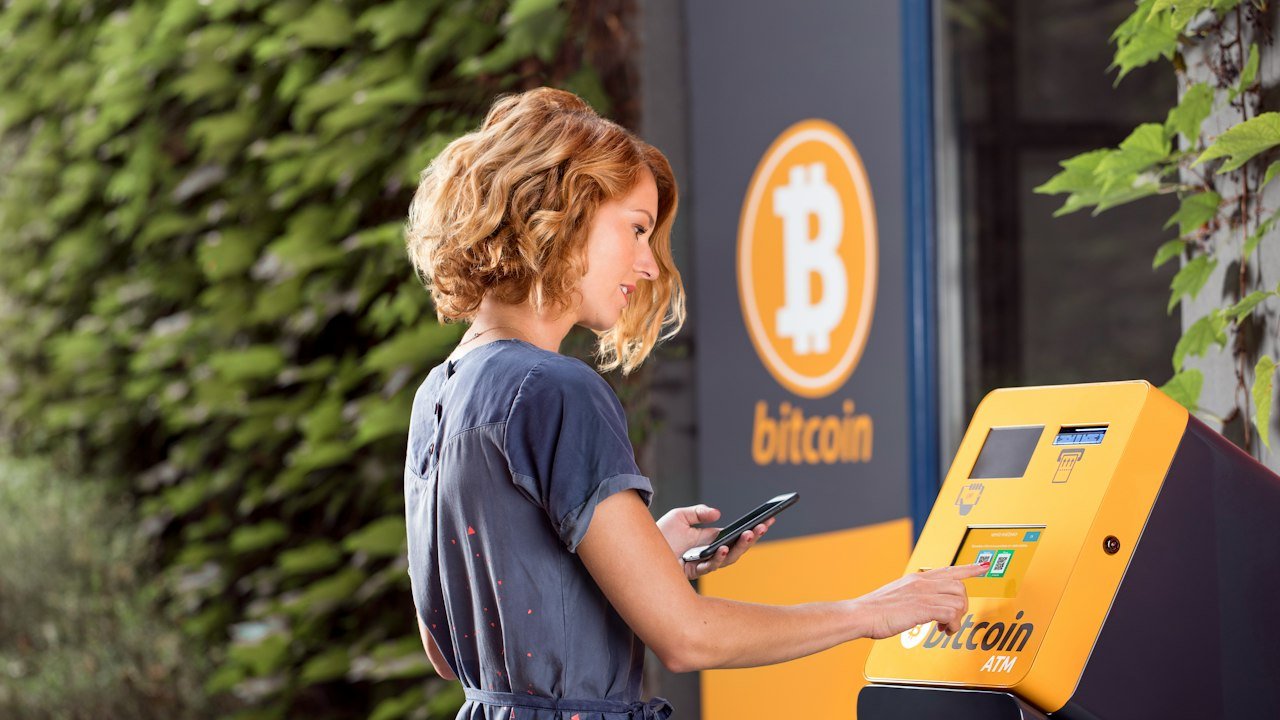
A crypto ATM is an internet-connected kiosk that lets you buy — and sometimes sell — cryptocurrency using cash or a debit card, without needing an account on a traditional exchange. Instead of dispensing cash from a bank account, most machines send purchased Bitcoin or other cryptocurrency directly to your digital wallet, or accept crypto from your wallet in exchange for cash. The large majority (around 91%) are configured as “buy-only,” reflecting how most users interact with them: converting cash into crypto, not the other way around.
How Big Has the Crypto ATM Market Actually Gotten?
The growth here has been dramatic, even if 2026 numbers show some recent correction:
- United States: Holds roughly 78% of all global installations — around 30,000+ machines — the clear global leader.
- Canada: The second-largest market, with close to 3,800 machines and a market value projected to grow from $96 million in 2024 to over $1.1 billion by 2035.
- Australia: Saw an extraordinary 17-fold jump, from just 73 machines in 2022 to over 1,100 by 2024 — one of the fastest-growing markets anywhere.
- UK and Europe: A smaller but still meaningful market, with several thousand machines combined across the continent.
Globally, market analysts estimate the crypto ATMs industry was worth roughly $550 million in 2026, with some projections putting long-term growth as high as $18 billion by 2034 — though estimates vary significantly between research firms, a sign of how young and fast-moving this market still is.
A Recent Twist: 2026 Is Showing Signs of Correction
Despite years of rapid growth, industry tracking data shows the total number of active machines actually dipped slightly in early 2026 — with more machines removed than newly installed in a recent quarter. This doesn’t necessarily mean the category is shrinking overall (transaction revenue continues climbing even as raw machine counts plateau), but it’s a useful reminder that “trending” doesn’t always mean “endlessly expanding.” Operators appear to be consolidating toward higher-value, two-way machines rather than simply adding more one-way kiosks everywhere.
One-Way vs. Two-Way Crypto ATMs
Not all crypto ATMs work the same way. The vast majority — around 91% — are “one-way” machines, meaning they only let you buy cryptocurrency with cash; you can’t sell crypto back for cash at these kiosks. “Two-way” machines are less common but more versatile, letting you both buy and sell. One-way machines are cheaper and simpler for operators to install and maintain, which is part of why they dominate the market, but if you’re looking to cash out cryptocurrency rather than just buy it, you’ll need to specifically find a two-way machine — not every location offers one.
Step-by-Step: How a Typical Transaction Works
While interfaces vary between operators, a typical buy transaction generally follows this pattern:
- Verify your identity — most machines require a phone number verification via SMS code, and larger transactions may require government ID or even a photo.
- Select your cryptocurrency — Bitcoin remains the most widely supported (holding roughly half the market), though many machines now support Ethereum, Litecoin, and other major coins.
- Provide your wallet address — either by typing it in manually or scanning a QR code from your existing crypto wallet app.
- Insert cash — the machine calculates how much cryptocurrency your cash converts to, after fees.
- Confirm and wait — the crypto is sent to your wallet, though it may take several minutes to a couple of hours to fully confirm on the blockchain, depending on the network.
A Brief History of Crypto ATMs
The first Bitcoin ATM was installed in a Vancouver, Canada coffee shop in 2013 — a modest start for what’s become a global industry. Growth was slow initially, reaching only around 500 machines globally by 2015. The real expansion came between 2016 and 2021, when the machine count grew rapidly alongside broader cryptocurrency adoption, before entering a more mature, slower-growth phase from 2022 onward. This maturity phase is part of why 2026’s numbers show consolidation rather than continued rapid expansion — the industry has moved from a land-grab phase into a more selective, profitability-focused one.
The Fees Are Higher Than Most People Expect
This is the part of crypto ATMs that catches new users off guard: fees are typically much steeper than using a mainstream cryptocurrency exchange app. Combined service fees and exchange rate markups commonly range from 10% to over 20% per transaction — sometimes higher — compared to fees often under 1-2% on major exchange platforms. That premium exists because of the convenience, cash-based access, and lack of a bank account requirement, but it’s a real cost worth weighing before choosing a crypto ATM over a traditional exchange, especially for larger transactions.
An Important Safety Warning: Scam Risks
Crypto ATMs have become a well-documented tool in certain scam patterns, particularly schemes targeting elderly or vulnerable individuals. A common pattern involves a scammer — posing as a government official, tech support agent, or romantic interest — instructing a victim to withdraw cash and deposit it into a crypto ATM, sending funds to a wallet the scammer controls. Because cryptocurrency transactions are generally irreversible, victims often have no way to recover funds once sent.
If anyone contacts you unexpectedly and instructs you to use a crypto ATM to resolve a supposed debt, legal issue, or “prize” claim, treat this as a major red flag — legitimate organizations, government agencies, and businesses do not request payment via cryptocurrency ATM.
How to Use a Crypto ATM Safely
- Verify the operator — stick to well-known networks with visible customer support and clear fee disclosures before inserting cash.
- Double-check wallet addresses — since crypto transactions can’t be reversed, confirm your wallet address is entered correctly before completing a transaction.
- Compare fees first — for larger amounts, a traditional exchange app is very likely cheaper; crypto ATMs make more sense for smaller, convenience-driven transactions.
- Never use one because someone instructed you to — if a caller, text, or email is pressuring you to use a crypto ATM urgently, stop and independently verify the request through official channels first.
The Regulatory Picture Across Countries
Regulatory oversight of crypto ATMs varies significantly by country. In the US, many states have begun introducing transaction limits and mandatory fraud warnings directly on machines in response to rising scam reports. Canada’s regulator, FINTRAC, requires crypto ATM operators to register as money services businesses. The UK’s Financial Conduct Authority has taken a notably stricter stance, and unregistered crypto ATMs have faced enforcement action there. Australia’s AUSTRAC similarly requires registration and reporting from operators. This patchwork of rules is part of why the experience — and the legitimacy — of a specific machine can vary a lot depending on where you are.
Why This Trend Has Long-Term Relevance
Crypto ATMs sit at an interesting intersection: they represent one of the few forms of cryptocurrency access that doesn’t require a bank account, an app download, or technical familiarity — genuinely useful for underbanked populations. At the same time, the fee structure and scam exposure mean they’re not automatically the best option for every user. As stablecoins and broader crypto payment infrastructure mature (a theme we’ve also covered in our coverage of Hyperliquid and decentralized trading infrastructure), crypto ATMs represent the physical, cash-facing layer of that same broader shift toward crypto becoming everyday financial infrastructure rather than a purely speculative asset class.
Frequently Asked Questions
Are crypto ATMs safe to use?
They can be, when used deliberately and with a well-known operator — but they’re also a documented tool in certain scam patterns. Never use one because someone instructed you to urgently, especially in response to a call, text, or online message.
Why are crypto ATM fees so much higher than exchanges?
Crypto ATMs offer cash-based, no-account-required convenience, which comes at a premium — typically 10-20%+ per transaction, compared to often under 2% on mainstream exchange apps.
Which countries have the most crypto ATMs?
The United States leads by a wide margin (around 78% of global machines), followed by Canada and Australia, with the UK and Europe holding smaller but growing markets.
Is the crypto ATM market still growing?
Broadly yes in terms of transaction value, though 2026 data shows the raw number of machines has actually seen a slight net decline in some periods, as operators consolidate toward fewer, higher-value machines.
Final Thoughts
Crypto ATMs remain a useful, if pricier, on-ramp for people who want cash-based access to cryptocurrency without navigating a bank account or exchange app. Just weigh the steep fees against the convenience, verify any operator you use, and treat unsolicited instructions to use one as an immediate red flag rather than a legitimate request.
This article is for informational purposes only and does not constitute financial advice. Cryptocurrency markets and related infrastructure carry real risks, including fraud. Always verify any unexpected payment request independently, and consult a licensed financial advisor before making investment decisions.