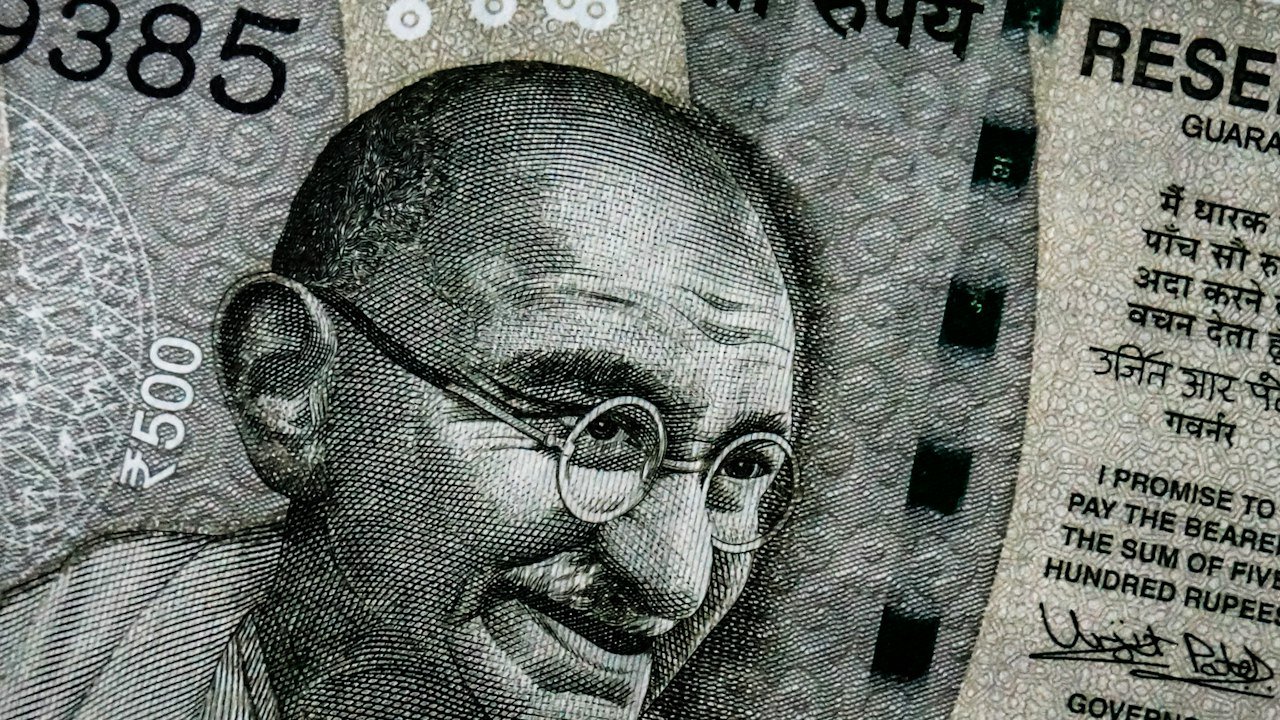
A central bank digital currency, or CBDC, is money issued by a country’s central bank in a purely digital form. It is meant to work like a banknote that lives in an app instead of a wallet, and it is not the same thing as Bitcoin, a stablecoin or a balance at a commercial bank. Governments in most of the world are studying one, but only a handful have launched.
This guide explains seven facts about the idea, using India’s digital rupee (e₹) as one worked example next to the digital euro, the digital pound, China’s e-CNY and the positions in the US, Canada and Australia. It replaces an earlier version that focused on India alone. Everything here is general education, not financial advice, and project details change often, so check the official pages listed near the end.
Table of Contents
- Fact 1: A Central Bank Digital Currency Is Digital Cash From the Central Bank
- Fact 2: It Is Not a Cryptocurrency or a Stablecoin
- Fact 3: Retail and Wholesale Designs Serve Different People
- Fact 4: Few Countries Have Launched a Central Bank Digital Currency
- Fact 5: The Digital Rupee Shows the Gap Between Pilots and Real Use
- Fact 6: China, the Euro Area, the UK and the US Are Taking Different Paths
- Fact 7: Privacy and Bank Disruption Drive the Debate
- What a Central Bank Digital Currency Means for You Today
- Uncertainty and Limits of This Guide
- Further Reading and Sources
- Frequently Asked Questions
- Final Thoughts
Fact 1: A Central Bank Digital Currency Is Digital Cash From the Central Bank
Ordinary people already use digital money every day, but almost all of it is a claim on a commercial bank. When you tap a card, a bank updates its records. A central bank digital currency would be different, because the central bank itself would be the issuer. The balance would be a direct liability of the central bank, the way a banknote is.
That one change explains why governments are interested. Cash use is falling in many countries, and private payment apps and stablecoins are growing. Central banks want to keep a safe, public form of money available to everyone in a world where physical cash is less common.
A central bank digital currency is also meant to be legal tender in the local currency. One unit would always equal one unit of the national money, so there is no market price to rise or fall in the way a crypto token’s price does.
Fact 2: It Is Not a Cryptocurrency or a Stablecoin
The words get mixed up often, so the differences are worth stating plainly.
- Cryptocurrency such as Bitcoin has no issuer or central owner, and its price floats freely.
- Stablecoins are issued by private companies and aim to hold a steady value, usually against the US dollar, backed by reserves. Our explainer on stablecoin growth covers how they work.
- Bank deposits are a promise from a commercial bank, protected up to a limit by deposit insurance in many countries.
- A CBDC is a promise from the central bank, in the national currency, with no market price.
Some CBDC designs use a ledger shared between institutions, but many do not use a public blockchain at all. The technology matters less than who issues the money and who can see the transactions.
No CBDC is a way to speculate. Nobody should expect it to rise in value, and anyone who offers a ‘CBDC token’ for sale or promises returns on one should be treated as a scam risk.
Fact 3: Retail and Wholesale Designs Serve Different People
Central banks describe two main versions. A retail CBDC is for households and businesses, held in an app or card and used to pay for everyday things. A wholesale CBDC is for banks and other financial institutions, used to settle large payments and trades between them.
Wholesale versions are seen as the easier path, because the users are a small group of regulated firms and the benefits, such as faster settlement of tokenised assets, are clear to them. Retail versions raise bigger questions about privacy, bank deposits and whether people want them. For a look at how tokenised assets connect to this, see our piece on RWA tokenization.
Designs also differ on whether the money can be used offline, whether it earns interest, and whether a person can hold only a limited amount. Those choices decide how much the CBDC competes with bank accounts.
Fact 4: Few Countries Have Launched a Central Bank Digital Currency
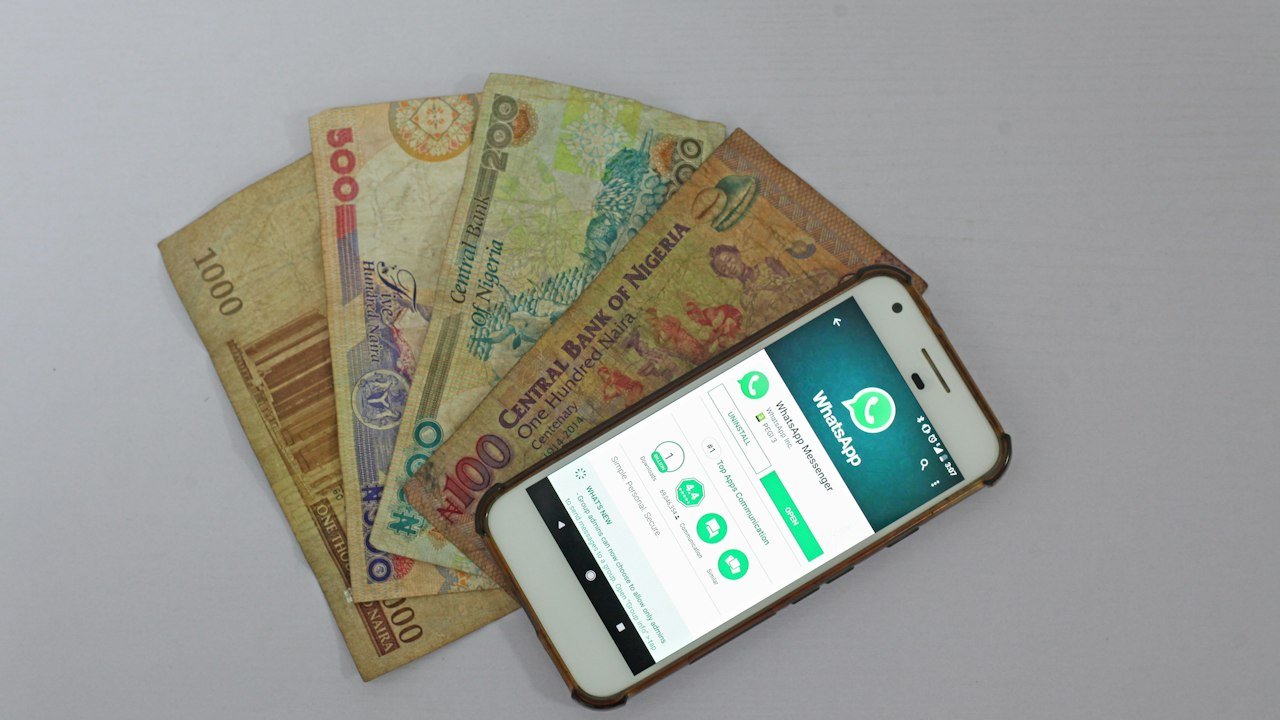
The Atlantic Council keeps a public tracker. When this article was written it showed 146 countries and currency unions, together over 98 percent of world GDP, exploring a central bank digital currency. It listed 41 pilot projects and only three full launches: the Bahamas, Jamaica and Nigeria. Fourteen G20 members were in the pilot stage.
The same tracker is a live database, so the numbers will move. Third-party sites sometimes quote different counts from older snapshots, so treat any figure that does not name its date with care.
The three launched examples have been modest. A Kansas City Fed review found about 104,664 consumer wallets and roughly 1,500 merchant wallets for the Bahamas Sand Dollar by May 2023, and put CBDCs in the Bahamas and Jamaica at roughly 0.1 percent of currency in circulation. The IMF called early use of Nigeria’s eNaira ‘disappointingly low’. The causes cited most often are few shops that accept the CBDC, little public awareness and few reasons to use it over cash or a phone app. The figures are from 2023 or earlier, and newer data may differ.
Fact 5: The Digital Rupee Shows the Gap Between Pilots and Real Use
India’s digital rupee, written e₹, is the Reserve Bank of India’s central bank digital currency. It has a wholesale version (e₹-W) and a retail version (e₹-R), both still described as pilots. It should not be confused with e-RUPI, a separate prepaid voucher system that is not a currency.
The numbers show how hard adoption can be, even in a country with a very popular payment system. RBI data reported by the press put retail e₹ in circulation at ₹771.66 crore on 31 March 2026, down from ₹1,016.46 crore a year earlier, while wholesale circulation was nil. Estimates of wallet users range from about 10 million to about 12 million, from secondary sources that do not agree.
India’s Unified Payments Interface (UPI) already makes instant payments free and easy, so a CBDC has to offer something extra. The RBI’s work is aimed at offline payments on basic phones, programmable payments for welfare schemes and cross-border use. Press reports say the RBI plans to explore cross-border CBDC pilots in 2026-27. Those features were still being tested when this article was written.
For readers outside India, the lesson is general: a CBDC does not succeed just because the central bank issues it. People need a reason to use it, and shops need a reason to accept it.
Fact 6: China, the Euro Area, the UK and the US Are Taking Different Paths
China
China’s e-CNY is the largest pilot in the world. The Atlantic Council summary says retail e-CNY had handled about 16.7 trillion yuan across more than 3.4 billion transactions by December 2025. From 1 January 2026, press reports say, a new framework treats e-CNY wallet balances as bank deposits and lets banks pay interest on them, a first for a CBDC. The details come from news coverage of the People’s Bank of China announcement.
Euro area
The European Parliament voted on 9 July 2026, by 416 to 169 with 22 abstentions, to open negotiations on a digital euro regulation. Talks with the Council and the Commission come next, and Parliament’s aim is to finish the law by the end of 2026. The ECB has said that, if legislation is adopted in 2026, it aims to be ready for a first issuance by 2029. Reports say Parliament’s position would not pay interest on the digital euro and would put a limit on holdings.
United Kingdom
The Bank of England and HM Treasury say no decision has been made on a digital pound. The design phase runs to the end of 2026, and the Bank has said it would announce its decision on whether to proceed then. The earliest issue date it gives is the second half of this decade. In October 2026 Deputy Governor Sarah Breeden was reported as saying there is no need to rush, partly because private digital money could offer similar benefits. For the UK’s broader crypto rules, see our guide to UK crypto regulation.
United States
The US has no central bank digital currency and is moving the other way. The House passed the Anti-CBDC Surveillance State Act, H.R. 1919, on 17 July 2025 by 219 to 210. Reports in 2026 said it had not become law, and sources disagree on which Senate bill it is attached to, so check Congress.gov for its current status.
Canada and Australia
The Bank of Canada scaled back its retail CBDC research in 2024 to focus on broader payments work, and said any CBDC it issued would be a wholesale one. Australia’s central bank completed Project Acacia, a wholesale tokenised-money trial, with a final report in May 2026. In September 2026 it updated its position on a retail CBDC and said it remains well placed to reassess the case if circumstances change. Our guides to Australia crypto regulation and the Canada Bill S-8 crypto ATM rules cover the wider picture in those countries.
Fact 7: Privacy and Bank Disruption Drive the Debate
Supporters point to cheaper payments, a safe public alternative to private money, faster cross-border transfers and possible access for people without bank accounts. Wholesale uses, such as settling tokenised assets, have fewer critics.
Critics raise three main worries.
- Privacy. A digital form of cash could let authorities see more of what people spend, unless the design limits access. Central banks say they would build in privacy protections, but the rules differ by country.
- Banks. If people move savings from banks into a CBDC, banks have less money to lend. This is why holding limits and a ban on interest are common ideas.
- Control. Programmable money could be used in ways people do not want, such as expiry dates or limits on what it can buy.
These arguments are why the US debate is so sharp, why Europe is arguing over limits, and why many designs stay in pilot for years. None of the questions has a settled answer yet.
What a Central Bank Digital Currency Means for You Today
For most readers in the US, Canada, the UK, Europe and Australia, a central bank digital currency is not something that can be bought or used yet. You can keep using cash, cards and bank apps as before. If one is introduced, it would arrive after laws pass and testing finishes, and it would be announced by the central bank.
Be careful of messages claiming you can invest in a central bank digital currency, join a ‘government coin’ early or swap your savings for a digital currency. A real CBDC would be issued by the central bank, in the national currency, with no price to gamble on. Treat anything else as unverified. If you want to understand how new digital assets differ in risk, our guide to crypto or stocks for beginners is a useful next step.
Uncertainty and Limits of This Guide
- Counts of pilots and launches change; the tracker figures here are from when this article was written.
- Several figures, such as the e-CNY changes and the rupee user numbers, rest on news reports and not on the central banks’ own releases.
- Legislation in the EU, UK and US may change quickly, and some dates are targets, not promises.
- This article does not predict whether any CBDC will succeed.
Further Reading and Sources
Related reading on this site: stablecoin growth, RWA tokenization, UK crypto regulation, Australia crypto regulation and crypto or stocks for beginners.
Official and primary sources: the Atlantic Council CBDC Tracker and the Bank of England digital pound page. Figures on the digital euro, e-CNY, the digital rupee and the US bill come from news and law-firm summaries, so check the ECB, the People’s Bank of China, the Reserve Bank of India and Congress.gov for current detail.
Frequently Asked Questions
What is a central bank digital currency in simple terms?
It is digital money issued directly by a country’s central bank, in the national currency, designed to work like a digital banknote.
Is a CBDC the same as Bitcoin or a stablecoin?
No. Bitcoin has no issuer and a floating price, and stablecoins are issued by private firms. A CBDC is issued by the central bank and always equals one unit of the national currency.
Which countries have launched a CBDC?
The Atlantic Council tracker listed three full launches when this article was written: the Bahamas, Jamaica and Nigeria. Many others, including India and China, are in pilot.
Is the digital rupee the same as e-RUPI?
No. The digital rupee (e₹) is the RBI’s CBDC, while e-RUPI is a separate prepaid voucher system.
Will the US, UK or Canada get a digital currency?
No decision to issue one has been made in the UK, the US legislature has moved to block one, and Canada has stepped back from a retail version. Plans can change.
Can I invest in a central bank digital currency?
No. A CBDC has no market price and is not an investment. Offers to buy or invest in one are red flags.
Final Thoughts
A central bank digital currency is a simple idea, with hard questions attached: who can see the data, what happens to bank deposits, and whether people will use it at all. The digital rupee shows that even a well-funded pilot can struggle to win everyday use, while Europe, the UK, the US and others are still arguing over the design.
The sensible approach is to follow official announcements, ignore anyone selling a CBDC as an investment, and treat each country’s plan as unfinished until the law and the launch are in place.