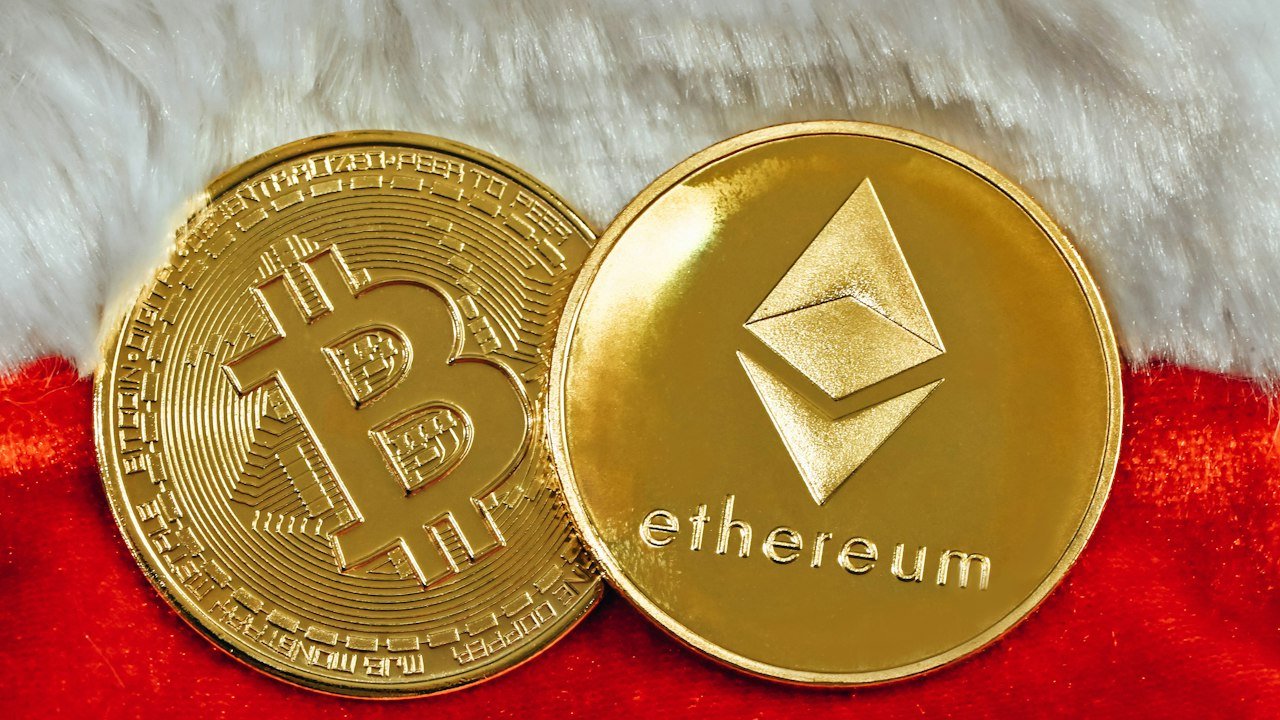
Ether ETF staking has turned a once-forbidden feature into a normal part of the market. For years, US spot ether funds could hold ETH but could not put it to work on the network, so any reward the coins could have earned stayed on the table. That has changed, and investors now have to decide whether a fund that stakes is better than one that does not.
The idea is simple. Ethereum pays validators for helping to secure the network, and a staking-enabled fund passes part of that income to its shareholders. The details are less simple: who keeps what share of the rewards, what could go wrong, and how the rules differ between countries.
This guide explains how ether ETF staking works, which funds offer it, what investors really keep, and the risks that headlines tend to skip. It covers the US first, then Canada, the UK, Europe and Australia.
Table of Contents
- What Is Ether ETF Staking?
- How Staking Works Inside a Fund
- Which Funds Offer Ether ETF Staking Today?
- What Recent Fund Flows Say
- Fees and What Investors Actually Keep
- Ether ETF Staking vs Staking Yourself
- The Risks Headlines Skip
- Ether ETF Staking in the US, Canada, UK, Europe and Australia
- Tax and Reporting Basics
- Further Reading and Sources
- Frequently Asked Questions
- Final Thoughts
What Is Ether ETF Staking?
Staking means locking up ETH so that it can help validate transactions on Ethereum. In return, the network pays rewards in new ETH. Anyone can stake directly, but it takes technical work and, for running your own validator, 32 ETH.
An exchange-traded fund removes that work. The fund buys ether, hands some of it to a professional staking provider, and the rewards flow back to the fund. Shareholders never touch a wallet or a validator. They buy and sell shares through a normal brokerage account.
So ether ETF staking is really two things in one product: price exposure to ETH, plus a share of the staking income. The first part can rise or fall sharply. The second part is smaller and steadier, but it is not guaranteed.
How Staking Works Inside a Fund
Take BlackRock’s iShares Staked Ethereum Trust, ticker ETHB, as an example. According to Decrypt’s launch coverage, it is designed to stake between 70% and 95% of its ether at any one time. Keeping part of the ether unstaked leaves room for redemptions.
Custody sits with Coinbase Prime, and staking providers run the validators. Rewards are shared out under a set formula. Reported terms say the fund passes 82% of staking rewards to investors through monthly payments, while the other 18% covers the trust, the custodians and the staking providers.
Other issuers handle rewards differently. Grayscale, for instance, said its larger Ethereum Trust (ETHE) would distribute staking rewards to investors, while its Ethereum Mini Trust (ETH) would reflect them gradually in the share price. The method matters because it changes how the income shows up in your account and in your tax records.
Which Funds Offer Ether ETF Staking Today?
The market moved in steps. In May 2024 the SEC approved the first spot ether ETFs, but they could not stake. In September 2025 it adopted generic listing standards, which cut the time needed to list a crypto product from more than 240 days to roughly 75, according to crypto.news. In October 2025 Grayscale became the first issuer to switch staking on inside its ether funds, as Benzinga reported.
Several products now stake or have staking features:
- REX-Osprey ESK: reported as the first US staked ETH fund, launched in September 2025 under the Investment Company Act of 1940.
- Grayscale ETHE and ETH: staking enabled from October 2025.
- BlackRock ETHB: listed on Nasdaq on 12 March 2026 and described as BlackRock’s first crypto ETF to include staking.
- 3iQ Ether Staking ETF (ETHQ): a Canadian fund that began staking in October 2023.
Fund lists change quickly, so confirm the current product, its fees and its staking policy in the issuer’s own documents before you buy.
What Recent Fund Flows Say
Early flow data suggests investors noticed the staking feature. On 9 September 2026, US spot ether ETFs took in about $34.75 million while spot bitcoin ETFs lost about $120 million, according to CryptoBriefing’s flow report. BlackRock’s staking product accounted for roughly $22.9 million of the ether inflow.
An 11 September analysis from 24/7 Wall St. put 2026 flows at roughly $863 million into ether ETFs against about $1 billion out of bitcoin ETFs for the year so far.
Treat these figures as a snapshot from about a month ago. One day of flows proves little, and daily numbers swing. A live tracker such as Farside or SoSoValue will show where things stand now.
Fees and What Investors Actually Keep
A staking fund earns a gross reward, but investors get less. Two layers take a cut: the fund’s management fee and the staking providers’ share of the rewards.
For ETHB, reports describe a 0.25% sponsor fee, temporarily waived to 0.12% on the first $2.5 billion in assets or for 12 months, whichever comes first. Add the 18% of staking rewards retained for the trust and providers, and the net yield is clearly below the network’s headline rate. One launch report mentioned a yield near 3%, but the network rate moves with the amount of ETH staked.
A quick way to compare funds is to ask three questions. What is the annual fee? What share of rewards reaches shareholders? Are rewards paid out or folded into the share price? Two funds can hold the same ETH and still deliver different results.
Ether ETF Staking vs Staking Yourself
Staking directly through an exchange or wallet can pay a larger share of the rewards, because there is no fund layer. It also gives you control of the keys, which is a benefit and a responsibility.
A fund trades some of that yield for convenience. You get a ticker symbol, a regulated product, brokerage statements and, depending on your country, access through some tax-advantaged accounts that do not allow direct crypto. You also avoid wallet security mistakes, which cost real money every year.
Neither route is better for everyone. Fund buyers pay for simplicity, and direct stakers pay with effort and risk.
The Risks Headlines Skip
Rewards are paid in ETH, so the value of your income rises and falls with the price. A 3% yield means little if the price drops 30%.
Slashing is another risk. If a validator misbehaves or goes offline, part of the staked ETH can be penalised. Professional providers work to avoid that, but the risk is not zero, and the fund shares the loss.
Exits can also take time. Unstaking ETH goes through a queue, so a fund that stakes most of its holdings must keep a cash or unstaked buffer, which is why ETHB’s reported 70% to 95% range matters.
Finally, concentration and rules matter. A handful of custodians and staking providers sit behind many products, and regulators’ views on staking have changed more than once. The treatment of staking could change again.
Ether ETF Staking in the US, Canada, UK, Europe and Australia
United States: The widest choice. Spot ether ETFs exist from several issuers, and staking is now available in some of them.
Canada: 3iQ began staking in its Ether Fund and ETHQ in October 2023, which it described as a first for North American exchange-traded products. Reports say its rewards are reflected in the fund’s net asset value.
UK, Europe and Australia: Product lists differ by broker and change often. We could not confirm which staking-enabled ether funds are open to retail investors there, so check your broker’s product list and your regulator’s warnings (the FCA in the UK, ESMA and national authorities in Europe, ASIC in Australia) before assuming a US product is available to you.
Wherever you live, read the fund’s prospectus. It states how staking works, what is kept, and who holds the ETH.
Tax and Reporting Basics
Tax treatment depends on the country and on how the fund pays rewards. If a fund distributes staking income, it may be reported as income. If rewards are folded into the share price, the gain may show up only when you sell.
Do not assume the rules match your last crypto purchase. Funds can issue different tax forms from direct holdings, and the details differ in the US, Canada, the UK and Australia.
Read the fund’s tax documents and ask a qualified tax adviser. This article does not give tax advice.
Further Reading and Sources
To see where staking fits in the wider ether market, read our explainer on Ethereum futures and spot ETFs and our look at the Ethereum Glamsterdam upgrade. If you are comparing assets, crypto or stocks for beginners covers risk, tax and safety, and our XRP CLARITY Act guide shows how regulation can shape a market.
For primary details, Decrypt’s report on BlackRock’s staked Ethereum fund sets out the reward split and fees. 3iQ describes its approach in its own staking announcement, and CryptoBriefing publishes daily ETF flow reports.
Frequently Asked Questions
What is ether ETF staking?
It is when a fund that holds ETH puts part of it to work on the Ethereum network and passes some of the rewards on to shareholders. Investors buy shares in a brokerage account instead of staking themselves.
Do all spot ether ETFs stake?
No. The first US spot ether ETFs approved in 2024 could not stake. Some newer or updated products can, so check each fund’s documents.
How much do investors keep from ether ETF staking?
It depends on the fund. Reports say BlackRock’s ETHB passes on 82% of staking rewards, after which the management fee also applies. Other issuers use different formulas.
Is ether ETF staking risk free?
No. Prices can fall, validators can be penalised, and exits can take time. Rewards are not guaranteed.
Is ether ETF staking available outside the US?
Canada has had a staking ether ETF since 2023. For the UK, Europe and Australia, check your broker’s current product list and your regulator’s guidance.
Is staking income from an ETF taxed differently?
It can be. Whether rewards are paid out or reflected in the share price affects how and when you are taxed, and rules differ by country.
Final Thoughts
Ether ETF staking brings a real feature of the Ethereum network into an ordinary brokerage account. That is useful, but it is not free money. The rewards are shared with the fund and its providers, paid in an asset whose price swings widely, and exposed to risks that a headline yield does not show.
If you are curious, start by reading one fund’s prospectus from end to end, compare two products on fees and reward share, and keep any crypto allocation to an amount you could lose without harm. Laws and products change quickly, so check the latest documents before you act.