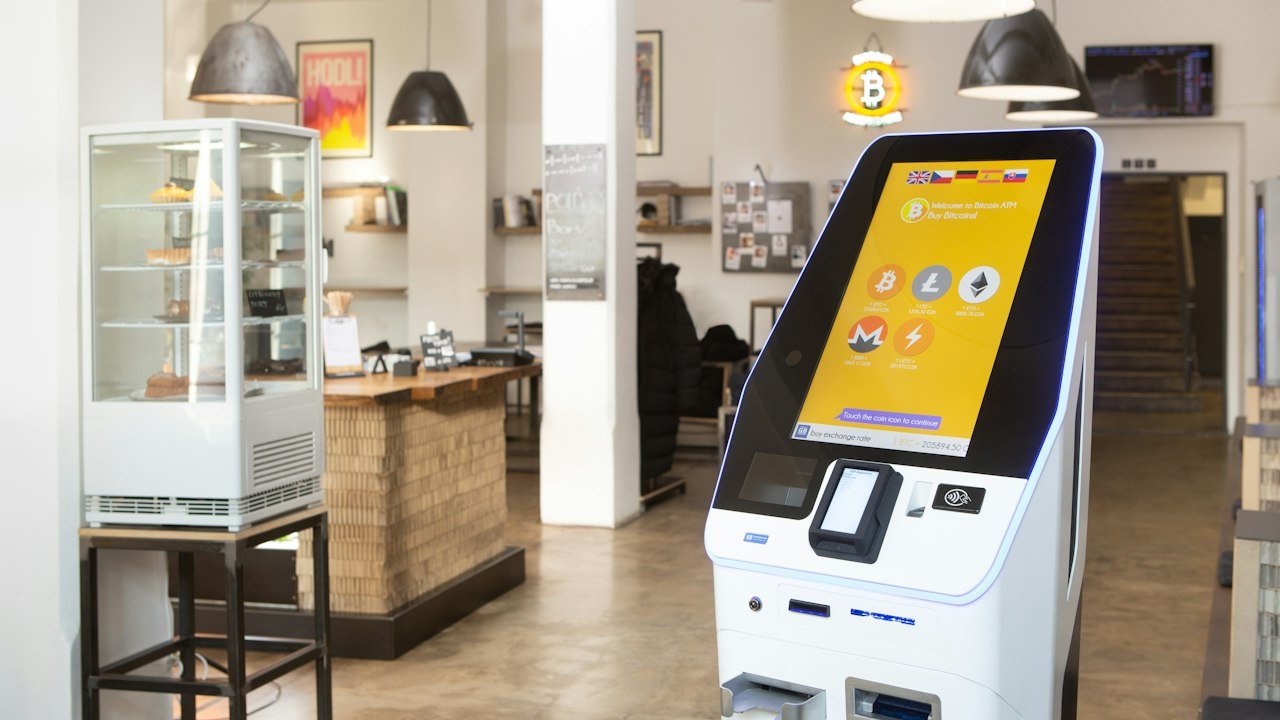
Canada Bill S-8 crypto ATM rules could significantly change how cryptocurrency kiosks operate across Canada. The proposed legislation would introduce stronger identity checks, transaction limits, reporting duties and restrictions on unlicensed machines. The proposal comes as Canada faces growing concerns about cryptocurrency ATMs being used in scams, money laundering and other financial crimes.
Canada has become one of the world’s largest markets for cryptocurrency ATMs. Historical datasets show the network growing from 69 machines in 2015 to thousands in later years. Government officials reported just under 4,000 machines in April 2026. That expansion has made Canada an important market for cryptocurrency kiosk operators, while also attracting greater regulatory attention.
On 3 November 2026, the federal government introduced Bill S-8, the Combatting Financial Crimes and Drug Trafficking Act. The proposed legislation includes measures targeting unlicensed cryptocurrency ATMs and introduces additional responsibilities for operators that continue to provide these services.
The proposal does not mean every cryptocurrency ATM in Canada will automatically disappear. The government says Canadians would still be able to use machines licensed and regulated under provincial or territorial rules, as well as regulated online and in-person cryptocurrency exchanges.
This guide explains the Canada Bill S-8 crypto ATM proposal, Canada’s crypto ATM expansion, the financial risks behind the proposed legislation, the important provisions of Bill S-8, and what the changes could mean for customers, operators and the wider cryptocurrency industry.
Table of Contents
- What Is the Canada Bill S-8 Crypto ATM Proposal and Why Was It Introduced?
- How Fast Has Canada’s Crypto ATM Network Grown?
- Why Are Authorities Concerned About the Canada Bill S-8 Crypto ATM Rules?
- Seven Important Changes in the Canada Bill S-8 Crypto ATM Proposal
- Will Canada Ban All Cryptocurrency ATMs?
- What the Canada Bill S-8 Crypto ATM Rules Could Mean for Operators
- What Canadian Cryptocurrency Users Should Know
- What Happens Next? Canada Bill S-8 Crypto ATM Timeline and Status
- Links and Official Sources
- Frequently Asked Questions
- Final Thoughts
What Is the Canada Bill S-8 Crypto ATM Proposal and Why Was It Introduced?
Canada Bill S-8 is federal legislation designed to strengthen the country’s response to money laundering, terrorist financing, sanctions evasion and other financial crimes. Its full short title is the Combatting Financial Crimes and Drug Trafficking Act.
The government introduced the bill in the Senate on 3 November 2026. It proposes amendments to the Proceeds of Crime (Money Laundering) and Terrorist Financing Act (PCMLTFA), along with changes to other legislation. Cryptocurrency ATMs are one of several areas covered by the Canada Bill S-8 crypto ATM proposal.
Why did the government focus on cryptocurrency ATMs?
A conventional cryptocurrency exchange generally requires customers to create an account and complete identity verification. A physical crypto ATM offers a different experience: a customer can visit a kiosk, follow its instructions and complete a transaction using cash.
This convenience can be useful for people who prefer physical locations or want to access cryptocurrency without using a traditional online trading platform. However, the cash-based nature of these machines can also make them attractive to fraudsters who persuade victims to deposit money into a wallet controlled by someone else.
Is Bill S-8 already law?
No. As of 11 November 2026, the Canada Bill S-8 crypto ATM proposal is proposed legislation, not a set of rules that has already received Royal Assent and come into force. Its final requirements and implementation timetable depend on Parliament’s progress and the bill’s commencement provisions.
How Fast Has Canada's Crypto ATM Network Grown?
Canada’s cryptocurrency ATM network has expanded considerably since Bitcoin’s early years. Historical figures compiled from Coin ATM Radar data show the following development:
| Year | Canadian crypto ATMs | Approx. annual growth |
|---|---|---|
| 2015 | 69 | — |
| 2016 | 83 | 20.3% |
| 2017 | 133 | 60.2% |
| 2018 | 313 | 135.3% |
| 2019 | 623 | 99.0% |
| 2020 | 684 | 9.8% |
| 2021 | 1,035 | 51.3% |
| 2022 | 2,141 | 106.9% |
| 2023 | 2,561 | 19.6% |
Historical annual snapshots compiled from Coin ATM Radar data reproduced by CryptoLately. These are machine counts, not transaction values or annual trading volume.
2015–2018: Early market expansion
Canada’s network increased from 69 machines in 2015 to 313 in 2018. This period marked the development of a physical cryptocurrency access network, with kiosks appearing in convenience stores, cafés and other retail locations.
2019–2021: Continued installation growth
The count reached 623 in 2019 and 1,035 in 2021. Cryptocurrency kiosks continued expanding even as digital exchanges and mobile applications became more widely used.
2022–2023: A much larger network
The historical series shows an increase from 2,141 machines in 2022 to 2,561 in 2023, an increase of approximately 19.6%. A separate September 2023 international snapshot recorded 2,845 Canadian machines. These figures come from different snapshots and datasets, so they should not be treated as perfectly interchangeable.
How many crypto ATMs does Canada have now?
In April 2026, Canadian government officials indicated that the country had just under 4,000 cryptocurrency ATMs. That is a substantial change from the 69 machines recorded in the 2015 historical series.
There is an important limitation: Canada does not publish a complete national dataset showing every crypto ATM transaction or the annual transaction value handled by all operators. Machine counts demonstrate network expansion, but they cannot tell us precisely how much money flows through the machines each year.
Are Canadians actually using crypto ATMs?
| Survey year | Bitcoin owners reporting ATM use to acquire Bitcoin |
|---|---|
| 2021 | 9% |
| 2022 | 12% |
| 2023 | 5% |
The Bank of Canada’s research, based on its 2023 Bitcoin Omnibus Survey, found that 5% of surveyed Bitcoin owners reported using an ATM to acquire Bitcoin in 2023, compared with 12% in 2022. These are shares of Bitcoin owners, not all Canadians or the share of total ATM transactions. This contrast shows why machine counts alone do not prove that customers are increasingly choosing ATMs over online exchanges.
Why Are Authorities Concerned About the Canada Bill S-8 Crypto ATM Rules?
The central reason behind the Canada Bill S-8 crypto ATM rules is the government’s concern that cryptocurrency ATMs are being used in financial scams and money laundering.
A common scam involves a fraudster contacting someone by telephone, email or messaging application. The victim may be told that their bank account is at risk, that they owe money, or that they must transfer funds to protect their savings. Instead of sending money through a bank transfer, the victim is instructed to withdraw cash and deposit it into a cryptocurrency ATM. The machine converts the cash into cryptocurrency and sends it to a digital wallet address supplied by the scammer.
How much money have Canadians lost through crypto ATM fraud?
The Department of Finance Canada has cited an estimated CAD $142 million to CAD $284 million in fraud losses facilitated by crypto ATMs during 2024. This is an estimate rather than a confirmed total of every individual loss. The government explains that the Canadian Anti-Fraud Centre estimates only 5% to 10% of fraud is reported.
The figures do not mean every cryptocurrency ATM transaction is fraudulent or that the entire industry is involved in illegal activity.
What does the 85% to 98% figure mean?
Government background material also refers to studies from other jurisdictions suggesting that between 85% and 98% of crypto ATM transactions are linked to illicit activity. This is not a measured national percentage for every Canadian machine. It should not be reported as proof that 85% to 98% of all Canadian crypto ATM users are criminals.
Why are cash transactions a concern?
Cash can be difficult to trace compared with payments made through regulated banking channels. When someone converts cash into cryptocurrency and sends it to a wallet controlled by another person, investigators may face additional challenges identifying the person who ultimately controls the funds. Blockchain transactions can often be examined on public ledgers, but wallet addresses do not automatically reveal the real-world identity of their owners.
Seven Important Changes in the Canada Bill S-8 Crypto ATM Proposal
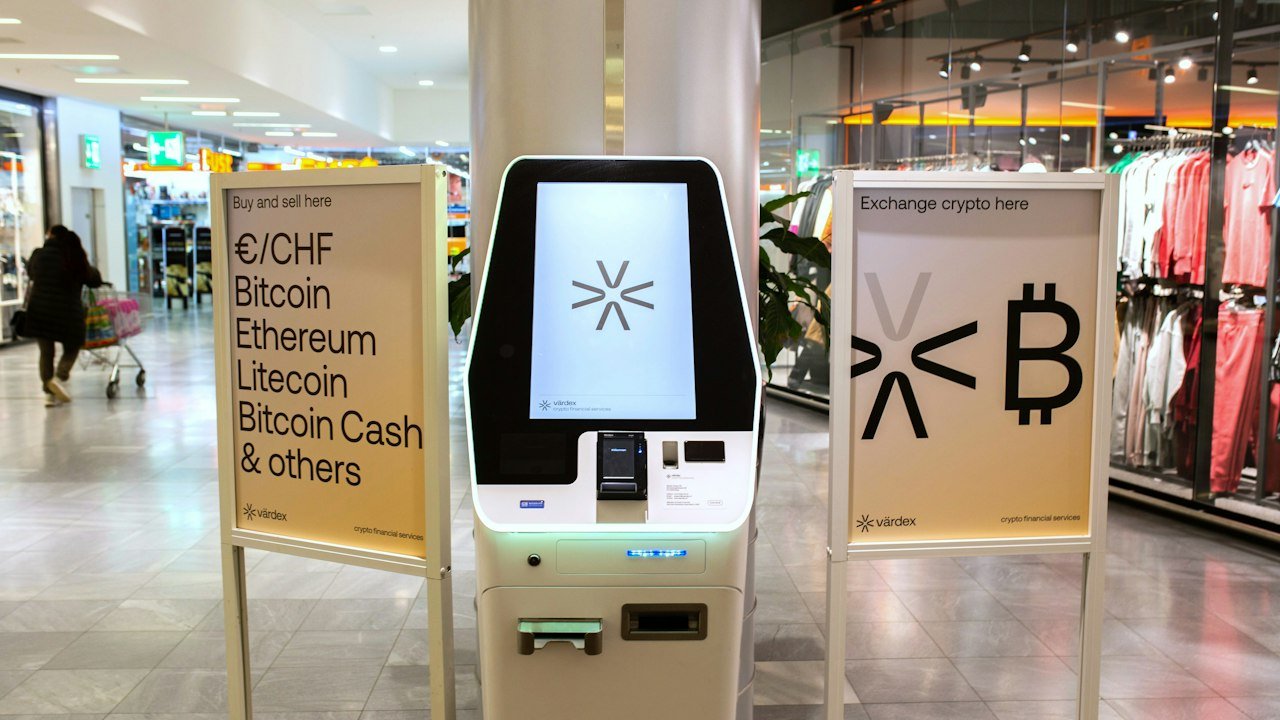
The Canada Bill S-8 crypto ATM proposal sets out a more detailed framework for cryptocurrency ATM operators. The objective is to make these services easier for regulators and law enforcement agencies to monitor while restricting machines that operate without the required provincial or territorial licence.
1. Restrictions on unlicensed crypto ATMs
The bill proposes making it a criminal offence to operate a cryptocurrency ATM without the required provincial or territorial licence. It also addresses people who host or provide certain services to machines that are unlawfully operated. Federal anti-money-laundering registration alone may not be enough to satisfy the proposed licensing requirements.
2. A proposed CAD $1,000 daily transaction limit
Under the proposed framework, an individual customer’s total transactions through a crypto ATM would be limited to CAD $1,000 over a 24-hour period. This could affect customers who currently use machines to purchase larger amounts of cryptocurrency. It is a proposed provision, not a nationwide rule currently in force.
3. Identity verification for customers
The proposed requirements would place stronger identity-verification responsibilities on operators. Customers could be required to provide identifying information before completing transactions. The precise procedures will depend on the final legislation and applicable regulations.
4. Transaction records and customer information
Operators would need to maintain records containing prescribed information about transactions and customers. This could include transaction amounts, dates, customer identification details and relevant cryptocurrency wallet information.
5. Reporting transactions to FINTRAC
The proposed framework would require operators to report transactions to the Financial Transactions and Reports Analysis Centre of Canada (FINTRAC) within the prescribed reporting period. Legal analysis of the bill describes a requirement to report each transaction within 15 days. The final legal text and regulations should be checked before relying on operational details.
6. More information about the machines themselves
Operators would also have to provide prescribed information about their cryptocurrency ATMs to FINTRAC. Machine-level information could help regulators identify operators with multiple locations and assess whether the business is complying with its obligations.
7. Stronger enforcement and penalties
The proposed framework includes enforcement measures for non-compliance. These may involve administrative monetary penalties and criminal consequences, depending on the conduct and applicable provisions. Operators, hosts and other businesses involved in providing services to cryptocurrency ATMs should review their responsibilities carefully.
Important: These are proposed changes. Bill S-8 must complete the parliamentary process and receive Royal Assent before the relevant provisions can take effect.
Will Canada Ban All Cryptocurrency ATMs?
No. The proposed approach is not a blanket ban on every cryptocurrency ATM in Canada. The federal government has stated that Canadians will still be able to use cryptocurrency ATMs that are licensed and regulated by the relevant province or territory. People will also be able to access cryptocurrency through regulated online and in-person exchanges.
What happens to an unlicensed machine?
If the Canada Bill S-8 crypto ATM provisions become law in their proposed form, operating a crypto ATM without the required provincial or territorial licence could become a criminal offence. The government has proposed an 18-month period after Royal Assent before the ban on unlicensed machines takes effect. This is intended to give provinces and territories time to establish or adapt their licensing arrangements.
What happens to licensed machines?
Licensed machines would not automatically be exempt from every new requirement. Operators would still have to comply with the proposed federal regulatory standards, including relevant identity, recordkeeping and reporting obligations.
The government has proposed that the enhanced regulatory requirements for crypto ATMs would come into force 90 to 180 days after Royal Assent, while the proposed ban on unlicensed machines would begin 18 months after Royal Assent. These are relative periods, not fixed calendar dates.
What the Canada Bill S-8 Crypto ATM Rules Could Mean for Operators
The proposed changes could significantly affect companies operating cryptocurrency ATMs in Canada. Businesses that have built their operations around cash-based cryptocurrency purchases may need to review their licensing, technology, compliance procedures and customer experience.
Higher compliance costs
Identity verification, transaction monitoring and recordkeeping can require additional software, trained staff and internal controls. Smaller operators may find these costs more difficult to absorb than larger companies with established compliance departments.
Changes to the customer experience
Customers may no longer be able to use a machine in the same way they did previously. Identity checks and transaction limits could make the process slower and reduce the convenience that attracted some users to cryptocurrency kiosks.
Possible consolidation in the industry
A more demanding regulatory framework could favour businesses with sufficient capital and compliance expertise. Smaller operators might consider partnerships, selling their machines or concentrating on fewer locations. Larger companies could potentially gain market share, but this is a possible outcome rather than a confirmed prediction.
What about convenience stores and other machine hosts?
Businesses that provide premises for cryptocurrency ATMs should also understand their potential responsibilities. The proposed legislation addresses more than the person who owns a machine. Certain hosting and support activities connected with an unlawfully operated machine may also create legal exposure.
What Canadian Cryptocurrency Users Should Know
For ordinary cryptocurrency users, the proposed Canada Bill S-8 crypto ATM rules could mean more checks and fewer opportunities to complete anonymous cash-based transactions. However, stronger regulation does not remove the risks of buying or holding cryptocurrency. Bitcoin and other digital assets can experience substantial price changes, and transactions sent to the wrong wallet address may be difficult or impossible to reverse.
Check whether the operator is legitimate
Look for the name of the company operating the machine and check whether it is registered or licensed as required. Do not rely only on a logo, website or sign displayed beside the kiosk.
Understand the total transaction cost
Cryptocurrency ATMs can charge substantially higher fees than online exchanges. Canada’s Department of Finance has cited fee comparisons indicating that crypto ATM charges can be five to ten times higher than those at online and traditional brick-and-mortar cryptocurrency exchanges. Check the exchange rate, service fee and final amount before confirming a purchase.
Never follow payment instructions from an unexpected caller
A legitimate bank, government department or police service will not ask someone to protect their money by depositing cash into a cryptocurrency ATM and sending the resulting cryptocurrency to an unknown wallet. If someone is pressuring you to act quickly, stop the transaction and contact the organisation using a verified phone number.
Keep transaction receipts
Customers should retain receipts, transaction IDs and relevant communications. These details may help when reporting suspected fraud or contacting the operator.
Report suspected fraud quickly
Anyone who believes they have been targeted should contact their financial institution, local police and the Canadian Anti-Fraud Centre. Reporting a scam does not guarantee recovery, but it can help authorities identify patterns and investigate criminal activity.
What Happens Next? Canada Bill S-8 Crypto ATM Timeline and Status
Bill S-8 was introduced in the Senate on 3 November 2026. The proposed Canada Bill S-8 crypto ATM provisions are not yet equivalent to active legal requirements. The bill must progress through Parliament before the government can implement the measures.
| Stage | Status as of 11 November 2026 |
|---|---|
| Bill introduced | 3 November 2026 |
| First reading | Completed |
| Second reading | Parliamentary process underway |
| Committee review | Not completed |
| Third reading | Not completed |
| House of Commons consideration | Not completed |
| Royal Assent | Not received |
| Implementation | Depends on Royal Assent and commencement provisions |
The proposed regulatory requirements would come into force 90 to 180 days after Royal Assent, while the proposed prohibition on unlicensed machines would begin 18 months after Royal Assent. If the bill is amended during parliamentary consideration, the final provisions may differ from the original proposal.
Operators and customers should follow the official Parliament of Canada bill page and Department of Finance announcements for updates.
Links and Official Sources
Readers who want to understand the wider cryptocurrency ATM market can also read AbleTrust’s guide, Crypto ATMs Explained: 5 Things to Know Before Use.
For additional background on cryptocurrency risks, our guide to Free Bitcoin Mining Scams: 7 Red Flags That Cost Investors explains how fraudsters use misleading cryptocurrency offers to target consumers.
For another perspective on digital-asset regulation and market development, read our guide to Stablecoin Growth 2026.
For original legal and regulatory information, consult these official resources:
Frequently Asked Questions
What is Canada Bill S-8?
Bill S-8 is the proposed Combatting Financial Crimes and Drug Trafficking Act, introduced in November 2026. It includes measures to address financial crime, strengthen money services business oversight and restrict unlawful cryptocurrency ATMs.
Will Canada ban Bitcoin ATMs?
The proposal is not a blanket ban on all Bitcoin ATMs. It would prohibit machines operating without the required provincial or territorial licence, while allowing appropriately licensed and regulated machines to continue operating subject to applicable requirements.
What is the proposed CAD $1,000 Canada Bill S-8 crypto ATM limit?
Bill S-8 proposes a limit of CAD $1,000 in transactions per customer over a 24-hour period. This is a proposed requirement and should not be described as an active nationwide limit before the legislation takes effect.
Why does the Canada Bill S-8 crypto ATM proposal impose stricter rules?
The government is concerned that crypto ATMs can be used in scams, money laundering and other financial crimes. It estimates that Canadians lost between CAD $142 million and CAD $284 million through fraud facilitated by crypto ATMs in 2024.
How many cryptocurrency ATMs are there in Canada?
Government officials reported that Canada had just under 4,000 cryptocurrency ATMs in April 2026. The exact number can change as operators install or remove machines, and there is no comprehensive public dataset covering every machine and transaction.
When will the Canada Bill S-8 crypto ATM rules take effect?
The proposed enhanced requirements would take effect 90 to 180 days after Royal Assent. The proposed prohibition on unlicensed machines would begin 18 months after Royal Assent. The actual dates depend on the bill becoming law and its final commencement provisions.
Final Thoughts
The Canada Bill S-8 crypto ATM proposal marks an important development in the regulation of cryptocurrency ATMs. The country’s network has grown from a small number of machines in 2015 to thousands of locations, creating a larger market for convenient cryptocurrency access but also increasing the need for effective oversight.
The proposed CAD $1,000 daily transaction limit, stronger identity verification, transaction reporting and provincial licensing requirements could change how operators run their businesses and how customers use physical cryptocurrency kiosks.
However, the legislation is still moving through Parliament. The proposed measures should not be confused with rules already in force, and the final implementation details may change.
For Canadian cryptocurrency users, the practical lesson is straightforward: check the operator, understand the fees, protect personal information and never send cryptocurrency because an unexpected caller tells you to do so. Regulation can strengthen oversight, but informed decisions and awareness of scams remain essential.