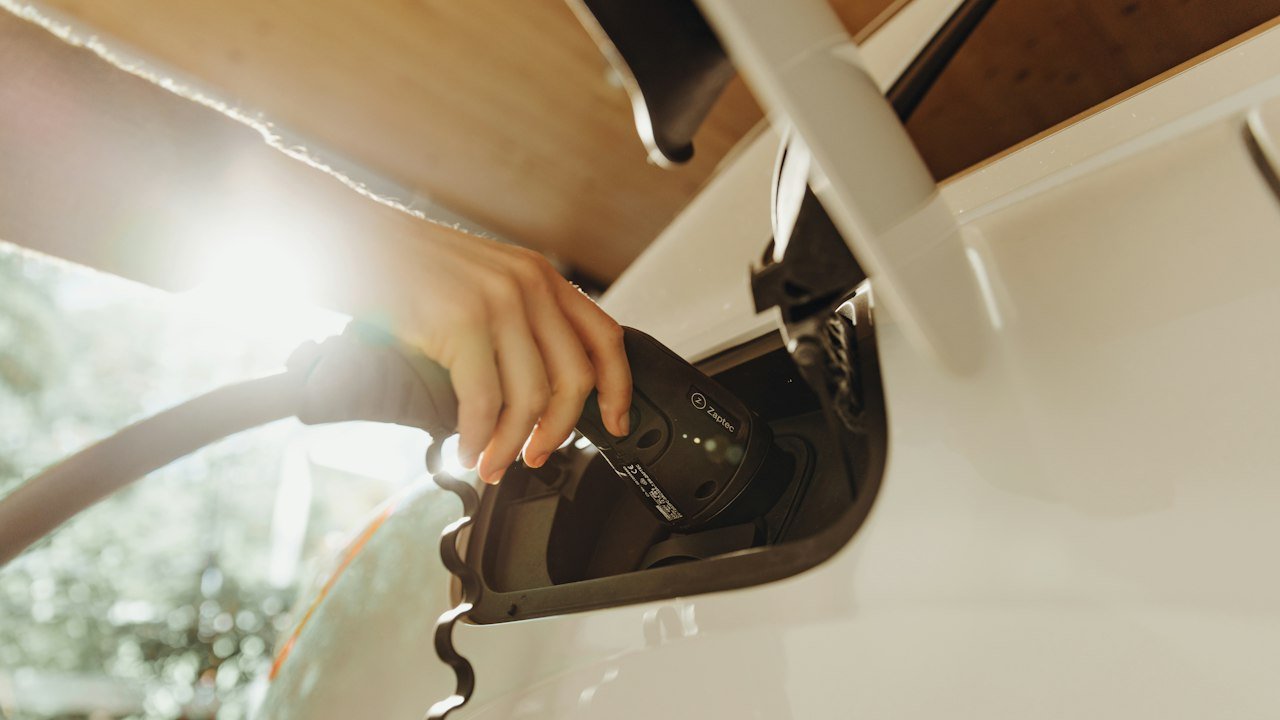
Any sensible Rivian stock forecast starts with a plain fact: the company is selling more vehicles than ever, yet it still loses money on its core car business. Rivian (Nasdaq: RIVN) builds the R1T pickup, the R1S SUV, delivery vans for Amazon and, since June 2026, the smaller and cheaper R2 SUV. Whether the R2 can move the business towards profit is the question investors keep asking.
This article has been rewritten around the third-quarter 2026 results that Rivian published on 29 October 2026. It covers deliveries, revenue, losses, cash, the funding behind the company and the dates worth watching. It is written for readers in the US, Canada, the UK, Europe and Australia.
There is no share-price target here. Nobody can know where an unprofitable carmaker’s shares will trade years from now, and this page is background reading, not a tip to buy or sell. The shares have been very volatile and you can lose money.
Table of Contents
- Rivian at a Glance
- Q3 2026 Results Behind Any Rivian Stock Forecast
- Why the First Gross Profit Needs a Closer Look
- Why the R2 Matters to Any Rivian Stock Forecast
- How Rivian Pays for Its Growth: Cash Burn Explained
- What Could Go Wrong
- How to Treat Any Rivian Stock Forecast From Analysts
- Dates and Signals for Your Rivian Stock Forecast Research
- Ways to Get Exposure and What to Check First
- Further Reading and Sources
- Frequently Asked Questions
- Final Thoughts
Rivian at a Glance
- Founded: 2009 by RJ Scaringe, headquartered in Irvine, California.
- Listing: Nasdaq, November 2021, with an offer price of $78 a share. The price later rose far above that and then fell below $10.
- Plant: Normal, Illinois, where its vehicles are built. A second plant in Georgia is planned.
- Products: R1T pickup, R1S SUV, commercial vans and the R2 SUV.
- Partners: Amazon buys the delivery vans, and Volkswagen Group runs a software joint venture with Rivian.
Q3 2026 Results Behind Any Rivian Stock Forecast
Rivian said it built 19,751 vehicles and delivered 19,248 in the third quarter of 2026. Both were records. Deliveries rose 46 percent from a year earlier and 58 percent from the second quarter, and the R2 outsold both the R1 line and the commercial van in its first full quarter.
| Q3 2026 measure | Result |
|---|---|
| Revenue | $2.155 billion, up 38% from $1.558 billion |
| Consolidated gross profit | $176 million |
| Automotive gross result | Loss of $80 million (loss of $130 million a year earlier) |
| Software and services gross profit | $256 million |
| Net loss to common stockholders | $913 million (versus $1.173 billion) |
| Adjusted EBITDA | Loss of $435 million |
| Cash and short-term investments | $5.502 billion |
These figures come from the company’s earnings release as reported by news outlets and summaries. Check the original filing on the SEC website before relying on any number.
Why the First Gross Profit Needs a Closer Look
A positive consolidated gross profit sounds like a turning point. The detail is less simple. The automotive business, which means the vehicles themselves, still lost $80 million at the gross level. The profit came from software and services.
According to call summaries, about $354 million of $605 million in software and services revenue came from the Volkswagen joint venture. That is real money, but it is payment for development work, and it will not necessarily repeat at the same pace. Management said it expects a positive automotive gross margin run rate by the end of the year, which is a goal and not a result.
Rivian also pointed to regulatory credit sales and a tariff refund receivable as helping its outlook. One-off items like those can flatter a quarter.
Why the R2 Matters to Any Rivian Stock Forecast
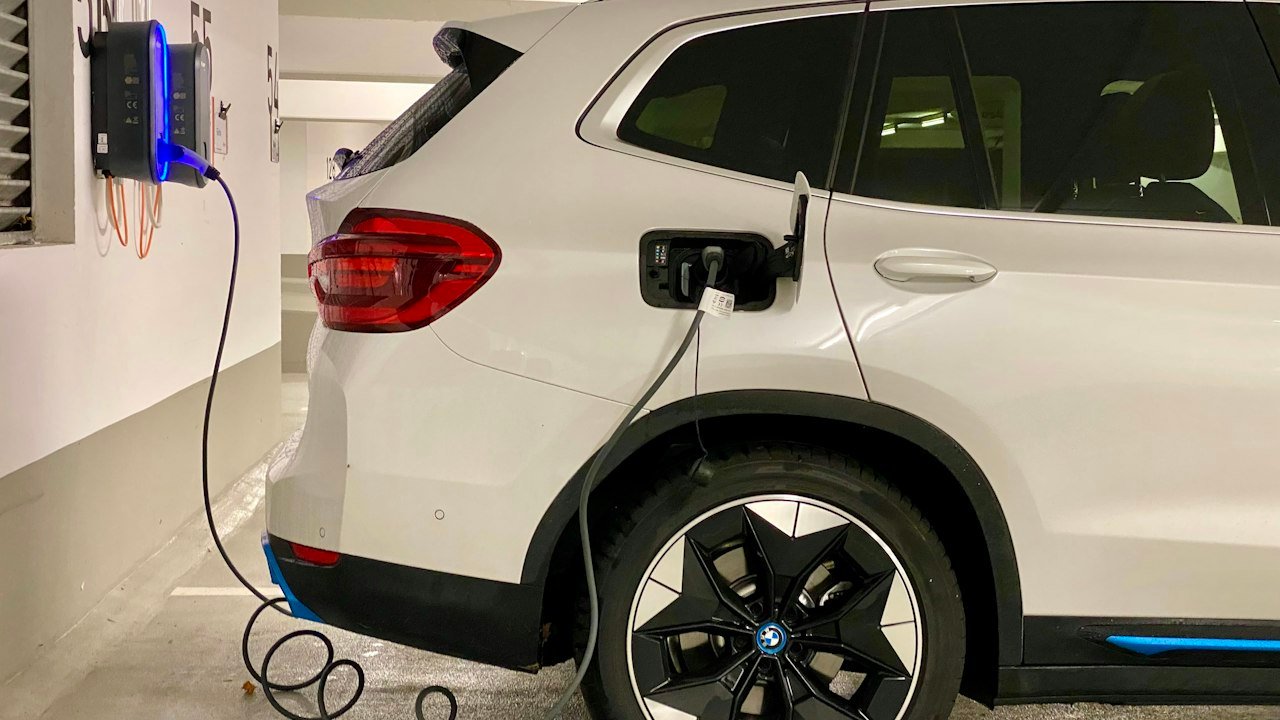
Rivian started building the R2 in Normal in April 2026 and began public customer deliveries in June. The first version on sale, the Performance trim with a launch package, starts at $57,990 before fees. Cheaper versions are expected later, but sources give different prices and dates, so treat the long-promised price of about $45,000 as a future plan, not something buyers can order today.
Volume is the point of the R2. A cheaper, smaller SUV can reach many more buyers than the R1 range, and higher output can spread fixed costs over more vehicles. The cost is up front: the company said the ramp added roughly $120 million of extra cost in the quarter, according to summaries.
For another view of how markets judge heavy spending, see our guide to AI infrastructure spending. The logic of paying now for revenue later is similar.
How Rivian Pays for Its Growth: Cash Burn Explained
Rivian used $758 million of cash in operations in the third quarter, and free cash flow was about negative $1.124 billion. Part of that came from working capital, including a fall in deferred revenue and a build-up of inventory for the R2 launch, so it is not all permanent.
The company ended the quarter with $5.502 billion in cash and short-term investments. With its credit facility, total liquidity was $6.095 billion. Management also cited about $13 billion of liquidity if expected capital from Volkswagen, Uber and a US Department of Energy loan is counted. That figure rests on a secondary summary and on money that has not all arrived.
Reports also say Rivian drew a $1 billion ten-year term loan from Volkswagen Group on 7 October at a fixed 6 percent. Borrowing buys time but adds interest costs.
2026 guidance after Q3
- Deliveries: 67,000 to 70,000 vehicles, up from 65,000 to 70,000.
- Adjusted EBITDA: a loss of $1.75 billion to $1.85 billion, about $100 million better at the midpoint.
- Capital spending: $1.4 billion to $1.5 billion, with a bigger step-up expected in 2027 as the Georgia plant is built.
What Could Go Wrong
- Losses continue: Even with improvement, the adjusted EBITDA loss for 2026 is guided at well over $1 billion.
- Dependence on a partner: Software revenue relies heavily on Volkswagen milestones.
- Demand: Reports describe the US electric vehicle market as under pressure after changes to tax credits. A weaker market can hurt a new model.
- Execution: Ramping a new vehicle and building a second plant can bring delays and cost overruns.
- Dilution and debt: Raising money may mean new shares or more borrowing.
- Share volatility: The price has moved sharply on news, up and down.
Any of these can change the picture quickly, and none of them is predictable.
How to Treat Any Rivian Stock Forecast From Analysts
Analyst forecasts are opinions based on assumptions about deliveries, margins and funding. They differ widely and get revised after each report. A target price is a snapshot of one analyst’s model, not a promise.
Better questions are practical ones. Is gross margin improving on the vehicles themselves? Is cash burn falling relative to deliveries? How long does the cash last at the current pace? Our note on Microsoft stock forecast facts shows the same approach for a profitable company, which makes the contrast clear.
Smaller, loss-making companies carry more uncertainty than large profitable ones, and readers should size any position with that in mind.
Dates and Signals for Your Rivian Stock Forecast Research
- Quarterly delivery numbers: Rivian usually reports these shortly after each quarter ends.
- Fourth-quarter and full-year results: expected in early 2027, with the date announced by the company.
- Automotive gross margin: whether the loss narrows as the R2 scales.
- Cheaper R2 trims: when lower-priced versions actually reach customers.
- Georgia plant: construction progress and spending.
- Funding: any new share issue, loan draw or partner payment.
Confirm exact dates on Rivian’s investor relations page, since schedules can change.
Ways to Get Exposure and What to Check First
Rivian shares trade on the Nasdaq under RIVN, and most brokers in the US, Canada, the UK, Europe and Australia offer them, sometimes with currency conversion fees. Some broad electric vehicle or growth funds also hold the stock, which spreads the risk.
Before any purchase, check broker fees, currency costs and tax rules where you live. If you are new to investing, start with how to start investing in stocks and compare the risks in crypto or stocks for beginners. Never invest money you cannot afford to lose.
Further Reading and Sources
Related reading on this site: how to start investing in stocks, Microsoft stock forecast, Amazon stock forecast, AI infrastructure spending and crypto or stocks for beginners.
Primary sources: Rivian’s quarterly results and filings are listed on the SEC EDGAR page for Rivian Automotive. The figures above come from news and call summaries of the 29 October 2026 release, so confirm them in the filing.
Frequently Asked Questions
What does a Rivian stock forecast depend on?
Mainly R2 volumes, whether automotive gross margin turns positive, how fast cash is used and how the business is funded. None of these can be known in advance.
How many vehicles did Rivian deliver in Q3 2026?
Rivian reported 19,248 deliveries and 19,751 vehicles built, both records, with the R2 its best-selling model in the quarter.
Is Rivian profitable?
No. It reported a net loss of $913 million in Q3 2026, though a consolidated gross profit of $176 million, mostly from software and services.
How much cash does Rivian have?
$5.502 billion in cash and short-term investments at the end of Q3 2026, or $6.095 billion of liquidity including its credit facility.
What is the R2 and what does it cost?
A smaller electric SUV built in Normal, Illinois. The first version on sale started at $57,990, with cheaper versions expected later.
Does this article give a Rivian share-price target?
No. Price targets are guesses for a loss-making company, so this guide sticks to reported facts and risks.
Final Thoughts
Rivian is growing quickly and the R2 is selling, but the company is still burning large amounts of cash and its car business is still unprofitable. A useful Rivian stock forecast is really a set of questions about margins, cash and funding, and the answers will come in the next few reports.
Read the filings, keep any exposure small relative to your savings, and treat this guide as general information only.