Dollar cost averaging in crypto means buying a fixed amount of a coin on a regular schedule, say $50 every Friday, no matter what the price is doing. You skip the guessing game. You just keep showing up.
That is the whole idea, and it is why beginners like it. Crypto can swing 10% in a day, and nobody wants to put their savings in right before a drop. Spreading the purchases out feels safer. Is it actually better, though? The honest answer is more mixed than most blog posts admit, and this guide lays out both sides.
You will see how it works with real arithmetic, what research says about it, where it helps, where it doesn’t and how to set up a plan you can stick to. This is general information, not a recommendation to buy anything.
Table of Contents
- What Is Dollar Cost Averaging in Crypto?
- A Simple Example of How It Works
- Why People Use DCA for Crypto
- What the Research Says About DCA vs Lump Sum
- When Dollar Cost Averaging in Crypto Works Best
- When It Doesn’t Help
- Choosing What to Buy
- How to Set Up a DCA Plan Step by Step
- Common Mistakes to Avoid
- A Note From the Author
- Further Reading and Sources
- Frequently Asked Questions
- Final Thoughts
What Is Dollar Cost Averaging in Crypto?
Dollar cost averaging, usually shortened to DCA, is a buying habit rather than a trading trick. You pick an amount, a schedule and an asset, then you automate it.
With dollar cost averaging in crypto, a fixed sum buys more coins when the price is low and fewer when it is high. Over time your average cost per coin lands somewhere in the middle of the prices you paid. It will not be the cheapest price of the year. It will not be the highest either.
Think of it like filling a car with $40 of fuel every week. Some weeks fuel is cheap and you get more litres. Other weeks you get fewer. You never try to guess the perfect day.
A Simple Example of How It Works
Numbers make this easier. Suppose you put $100 into a coin each month for four months, and the price is $10, $5, $5 and $10 on those dates.
At $10 you get 10 coins. At $5 you get 20. Then another 20, then 10 more. That is 60 coins for $400, so your average cost is about $6.67 each. The average of the four prices is $7.50. Because you bought more when the price dipped, your average cost came out lower.
Now look at the flip side. If the price had only gone up, say $5, $6, $7 and $8, then buying everything on day one at $5 would have beaten the monthly plan. DCA does not create profit. It changes the timing of your risk.
Why People Use DCA for Crypto
Crypto is unusually jumpy, and that is where dollar cost averaging in crypto has its fans. A few reasons come up again and again.
- It removes the timing decision. No agonising over whether today is the bottom.
- It fits a salary. Most people earn monthly, so investing monthly just matches their cash flow.
- It limits regret. If prices fall right after your first purchase, you still have more buys ahead at lower prices.
- It builds a habit. Automatic purchases stop emotion from steering the wheel.
None of these promise higher returns. They are about behaviour and comfort, and for many people those matter as much as the maths.
What the Research Says About DCA vs Lump Sum
Here is the part many beginner guides skip. A lump sum means investing everything at once. When researchers compare the two, lump sum often wins, simply because markets tend to rise over time and money sitting in cash misses that.
Vanguard studied this for traditional 60/40 portfolios and found that lump sum came out ahead roughly two-thirds of the time, across the markets it looked at. A summary of the work by Cointelegraph puts the average edge at about 2.4% for calendar-year comparisons over 1926 to 2015.
Crypto has less history, and the picture is murkier. A simulation by analysts Sam Callahan and Rapha Zagury, reported by BitcoinNews, covered roughly 2017 to 2023. In their results a 12-month DCA plan collected around 75% less Bitcoin than a lump sum on average, while a 6-month plan collected about 25% less. Shorter DCA schedules did better than longer ones.
DCA did better in falling markets, though. In the most recent two-year window they looked at, it sometimes came out ahead, especially in bear markets. That is the trade: you give up some upside in a rising market to soften the damage in a falling one.
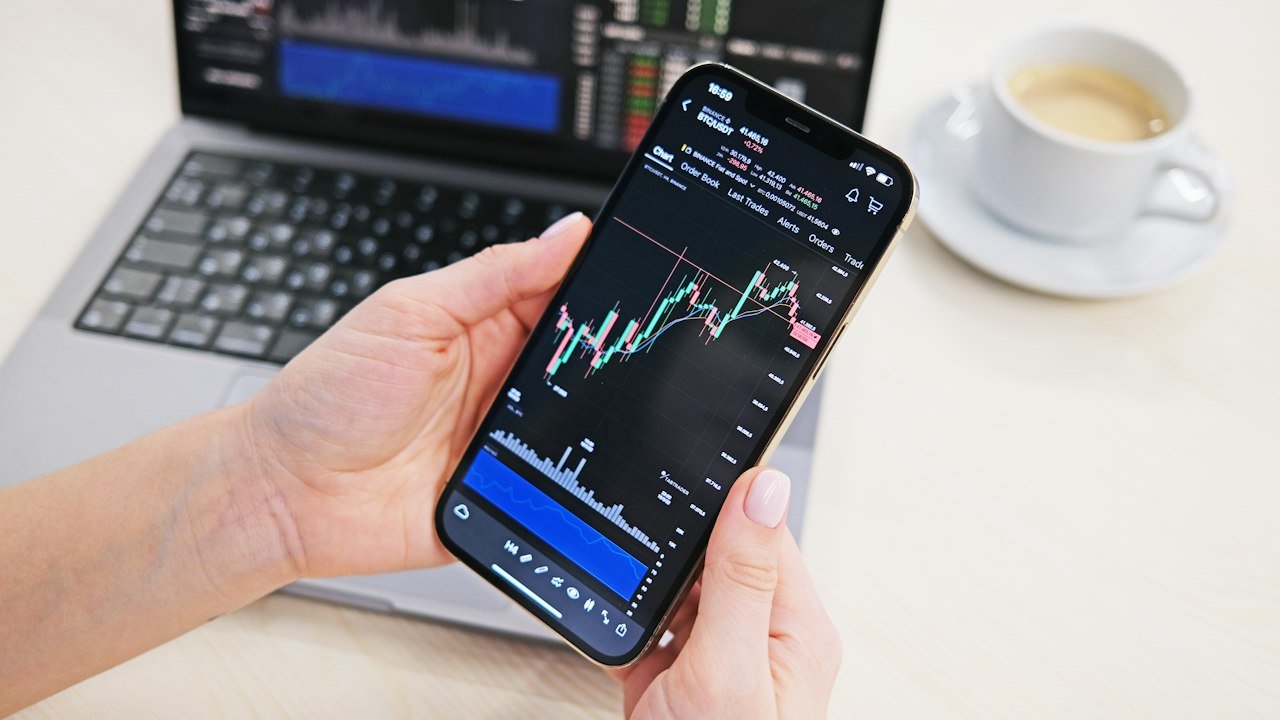
When Dollar Cost Averaging in Crypto Works Best
Dollar cost averaging in crypto tends to make the most sense in a few situations.
If you are investing from income instead of a pile of cash, it is simply how the money arrives. If a big one-time purchase would keep you awake at night, a gradual plan may be the version you can actually follow. And if you worry about buying near a peak, spreading purchases softens that risk.
It also suits long horizons. A plan that runs for years leans on the habit, not on any single month. Think in terms of years, because short periods in crypto can be brutal either way.
When It Doesn't Help
DCA is not magic, and it won’t rescue a bad asset. If the coin you pick goes to zero, buying it every month just means losing money in smaller pieces.
It also does little if the price keeps climbing. In a strong uptrend, the later purchases cost more and your average cost drifts up. You would have done better buying earlier.
Fees matter too. Many platforms charge a fee on every purchase. A $10 weekly buy with a flat $1 fee quietly loses 10% before the price moves at all. Check the fee schedule before you automate.
Choosing What to Buy
The strategy only helps if the asset deserves your money. DCA into a weak project is still a weak investment. Before you automate anything, read our guide on how to evaluate crypto projects and learn the basics of what you are buying.
Many beginners start with the largest coins because they have longer track records and deeper markets. That is a risk decision, not a guarantee, and every crypto asset can lose most of its value.
Also decide whether crypto belongs in your plan at all. Our piece on crypto or stocks for beginners helps you compare the two before you commit.
How to Set Up a DCA Plan Step by Step
You can do this in under an hour. Here is a practical order.
- Pick an amount you can lose. Use money you won’t need for bills, and treat it as risk capital.
- Choose a schedule. Weekly or monthly both work. Pick one that matches when you get paid.
- Choose a reputable exchange. Compare fees and security, and turn on two-factor authentication.
- Automate the purchase. Many exchanges offer recurring buys, so you don’t need to remember.
- Write down your rules. How long you will run it, and what would make you stop.
- Review twice a year. Not daily. Checking prices every day defeats the point.
Common Mistakes to Avoid
The biggest mistake in dollar cost averaging in crypto is stopping when the price drops. The plan only works if you keep going through the dull and scary stretches. If you know you will panic, set a smaller amount.
Other slips are easy to make. Increasing the amount after a big rise, chasing a coin because it is trending and ignoring fees all show up often. Buying more than you can afford to lose is the worst of them.
Keep your coins safe too. If you move them off the exchange, learn how a seed phrase works first, because losing it can mean losing the coins for good.
A Note From the Author
I invested in the stock market from 2018 until 2024, and I still follow how stocks and crypto work. The one rule I would pass on is simple: only put in money you could do without. A regular plan makes it easy to forget how much you have committed, so check the total now and then.
Further Reading and Sources
For a look at how a safer-looking coin can still fail, see our article asking are stablecoins safe. For the original research on lump sum investing, see Vanguard’s paper on cost averaging.
Frequently Asked Questions
Is dollar cost averaging in crypto a good idea?
Dollar cost averaging in crypto can be a sensible habit if you invest from income and want to avoid timing the market. It does not guarantee profit, and research often shows lump sum investing doing better in rising markets.
How often should I do dollar cost averaging in crypto?
Weekly or monthly are the usual choices. Match it to when you get paid, and check that fees don’t eat too much of small purchases.
Is DCA better than lump sum for Bitcoin?
In the simulation reported by BitcoinNews, lump sum usually collected more Bitcoin, while DCA held up better in falling markets. The right choice depends on your risk tolerance.
How much should I invest each month?
Only an amount you could afford to lose. There is no perfect figure, so start small and keep it steady.
Does DCA work in a bear market?
It tends to look better in bear markets, because later purchases are cheaper. It still can’t save you if the asset keeps falling or never recovers.
What are the risks of DCA?
You can still lose money, you may pay fees on every purchase and you could miss gains in a rising market. Crypto also carries risks like hacks and scams.
Final Thoughts
Dollar cost averaging in crypto is less about beating the market and more about making steady progress without sweating every price swing. It trades some possible upside for calmer, more repeatable decisions.
If you decide to try dollar cost averaging in crypto, keep the amount modest, check the fees, pick assets you understand and stick with the plan. That discipline matters far more than the exact day you buy.