Fintech industry trends 2026 are shaped less by new apps than by rules and infrastructure: stablecoins are being written into law, instant payments are becoming the normal way to move money, and banks and fintech firms are working more closely together. The AI side of banking is covered in a separate guide, so this one looks at payments, stablecoins, data sharing, tokenisation and fraud.
It is written for readers in the US, Canada, the UK, Europe and Australia. Figures come from news and industry summaries rather than official data, and several sources disagree, so check the originals before relying on a number. It is general information, not investment or financial advice.
Table of Contents
- Trend 1: Stablecoins Move Toward Clear Rules
- Trend 2: Instant Payments Become the Default
- Trend 3: Open Banking and Data Sharing
- Trend 4: Banks and Fintechs Work Together
- Trend 5: Tokenisation of Real-World Assets
- Trend 6: Regulators Catch Up on Crypto
- Trend 7: Fraud and Security Take Centre Stage
- What These Fintech Industry Trends 2026 Mean for Everyday Users
- How Fintech Industry Trends 2026 Differ by Country
- How to Check a Fintech Firm Before You Use It
- Risks and Limits of Fintech Industry Trends 2026 Forecasts
- Further Reading and Sources
- Frequently Asked Questions
- Final Thoughts
Trend 1: Stablecoins Move Toward Clear Rules
Stablecoins are digital tokens designed to hold a steady value, usually one US dollar. In the US, the GENIUS Act of 2025 set up a federal framework for payment stablecoins, and regulators have been publishing implementing rules through 2026. One summary says the law takes effect by 18 January 2027 at the latest.
Market size is described differently by different sources, from about $300 billion to about $315 billion in mid-2026. Our stablecoin growth guide covers what is driving this and what could go wrong.
Trend 2: Instant Payments Become the Default
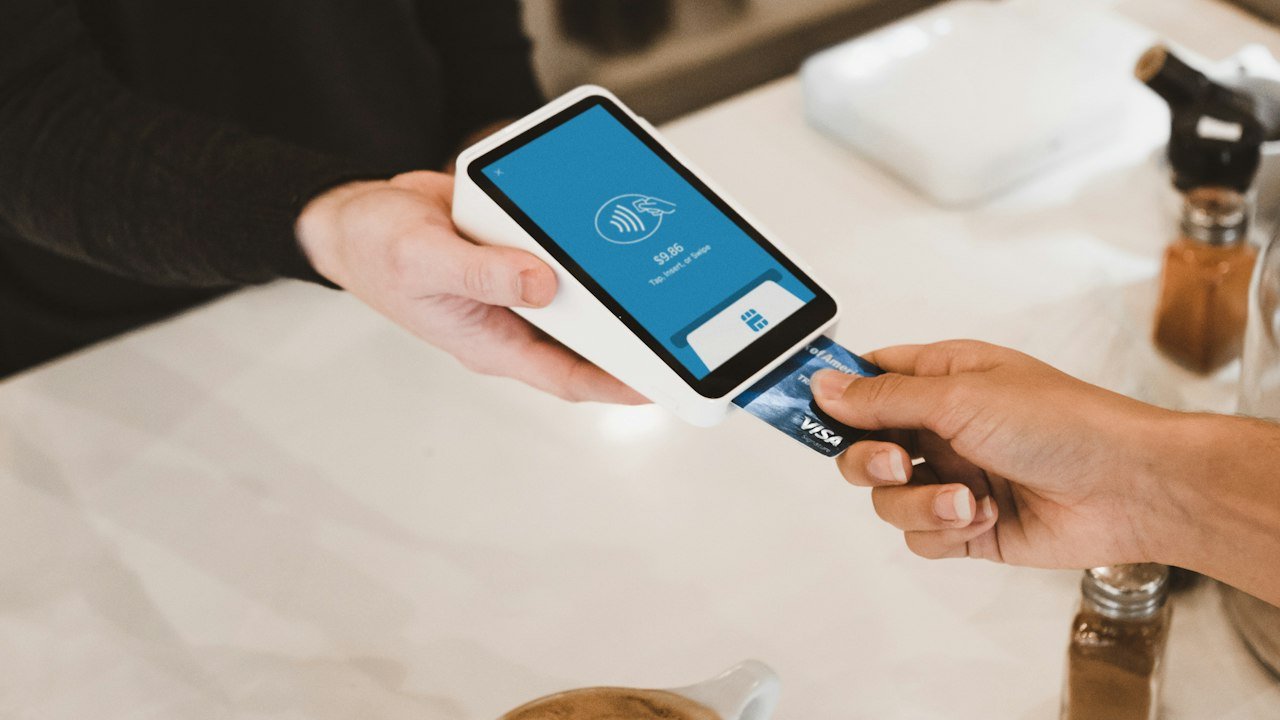
Real-time payment systems let money move in seconds, any hour of the day. The US has FedNow, the UK has Faster Payments, and euro-area banks have been required to receive and send instant euro payments under EU rules phased in from 2025.
For households, this means faster transfers and less waiting. For fraud teams, it means less time to stop a bad payment, because an instant payment is hard to reverse. You can read about FedNow on the Federal Reserve’s FedNow page.
Trend 3: Open Banking and Data Sharing
Open banking lets you share your account data with approved apps, for budgeting, lending checks or switching providers. The UK and Australia run formal schemes, and Australia’s is called the Consumer Data Right. In the US, the status of the federal data-sharing rule was unsettled in the sources reviewed, so check the current position.
A vendor survey cited in industry coverage said about 77 percent of consumers want their bank app to connect with other services through secure links. Treat figures like this as signals of demand, not as proof.
Trend 4: Banks and Fintechs Work Together
The old picture of fintechs replacing banks has given way to partnership. Banks provide licences, deposits and trust; fintechs provide design and speed. One survey cited in coverage said 77 percent of people who hold or plan to hold stablecoins would prefer to open a wallet through an app from their existing bank or fintech.
The risk in this model is shared responsibility. When a bank relies on a fintech partner, customers need to know who is accountable if something goes wrong.
Trend 5: Tokenisation of Real-World Assets
Tokenisation means recording ownership of an asset, such as a fund unit or a bond, as a digital token on a blockchain. Supporters say it can cut settlement times and costs. Critics point to legal uncertainty, limited liquidity and the risk that technology outruns the rules.
Digital-asset activity has drawn heavy investment: one industry snapshot, citing KPMG’s Pulse of Fintech, reported about $11.1 billion across 467 deals in the first half of 2026. Funding totals can change when sources define ‘digital asset’ differently.
Trend 6: Regulators Catch Up on Crypto
Rules are arriving in several countries. Our guide to UK crypto regulation 2027 sets out the British timetable, and our report on the Canada Bill S-8 crypto ATM proposal covers a Canadian measure aimed at kiosk scams.
Australia has also passed a digital assets law, due to start in April 2027. For users, the direction is the same across countries: more licensing, more disclosure and more scrutiny of the firms that stand between you and the technology.
Trend 7: Fraud and Security Take Centre Stage
Faster payments and more connected apps create more openings for criminals. Typical risks include authorised push payment scams, where you are tricked into sending money yourself, stolen login details and fake investment sites.
Providers are responding with stronger identity checks, device tracking, confirmation steps for large transfers and shared fraud data. Customers can help by using two-step verification, ignoring unsolicited messages and checking the licence status of any platform before depositing money.
What These Fintech Industry Trends 2026 Mean for Everyday Users
- Transfers will keep getting faster, so double-check payee details.
- More apps will ask to connect to your accounts. Read what data they request and for how long.
- Your bank may start offering digital-asset features. Treat them like any other investment product.
- Rules are changing country by country, so what applies in one market may not apply in another.
For basic investing questions, our guide to crypto or stocks for beginners explains the differences, and our piece on the AI investment boom covers the market side of technology.
How Fintech Industry Trends 2026 Differ by Country
- United States: stablecoin rules are arriving through the GENIUS Act, instant payments run on FedNow, and the data-sharing rule is still unsettled.
- United Kingdom: Faster Payments and open banking are mature, and a wider crypto regime is scheduled for October 2027.
- Canada: regulators are focusing on crypto kiosk scams and on consumer-driven banking.
- Australia: the Consumer Data Right is in place and a digital assets licensing law starts in April 2027.
- Europe: instant euro payments are now required of banks, and the markets-in-crypto rules are being applied.
These are broad summaries. Dates and details change, and each country has its own regulator, so check official websites for the rules that apply to you.
How to Check a Fintech Firm Before You Use It
A polished app does not prove a firm is licensed or safe. Before you deposit money, find out which regulator authorises the company and look it up on that regulator’s public register. Check how customer money is held, whether it is kept separate from the firm’s own funds, and what protection applies if the company fails.
Read the fee schedule for charges that are easy to miss, such as withdrawal fees or currency conversion margins. Look at the complaints process, and search for recent regulatory warnings. If a firm promises guaranteed returns or pressures you to act quickly, treat that as a reason to walk away.
Risks and Limits of Fintech Industry Trends 2026 Forecasts
Industry trend articles, including this one, often rely on vendor surveys and press releases that favour their own products. Market sizes differ between sources, funding figures depend on definitions, and regulatory dates can move.
A trend is not a promise of profit, and none of these developments tells you to buy any asset or product.
Further Reading and Sources
Related reading on this site: stablecoin growth in 2026, UK crypto regulation 2027, the Canada Bill S-8 crypto ATM proposal, crypto or stocks for beginners and the AI investment boom.
Outside sources: Wolters Kluwer’s analysis of the GENIUS Act in 2026 and the Federal Reserve’s FedNow page. Figures in this article come from industry coverage, so check the originals.
Frequently Asked Questions
What are the main fintech industry trends 2026?
Stablecoin rules, instant payments, open banking, bank and fintech partnerships, tokenised assets, crypto regulation and a stronger focus on fraud.
What is the GENIUS Act?
It is a 2025 US law setting a federal framework for payment stablecoins. One summary says it takes effect by 18 January 2027 at the latest.
Are instant payments safe?
They are fast and convenient, but they are hard to reverse, so scams are a bigger risk. Check payee details and use your bank’s alerts.
What is open banking?
It lets you share your account data with approved apps through secure links, so that you can budget, apply for credit or switch provider more easily.
Is tokenisation the future of investing?
It may change how some assets are recorded and settled, but legal and liquidity questions remain. Nobody can say how far it will go.
Should I invest because of fintech industry trends 2026?
Trends are not a reason on their own. Use your own goals and risk tolerance, and consider speaking to an authorised adviser.
Final Thoughts
The fintech industry trends 2026 point in one direction: money is moving faster, rules are arriving, and traditional banks and new firms are sharing the job of serving customers.
Read the details behind any headline, check who is regulating the firm you use, and protect your accounts. This article is general information, not advice.